
Just like the aftermath of a storm, dealing with flooding requires immediate and strategic action to prevent mold growth. If you don’t act quickly, you might find yourself facing a much larger problem. Understanding the steps necessary for effective mold prevention can save you time, money, and health risks. Let’s explore the essential tips that’ll help you safeguard your space and guarantee it remains mold-free for the long haul.
Key Takeaways
- Act quickly to remove standing water using pumps and vacuums to minimize moisture levels immediately after flooding.
- Thoroughly dry affected areas by ventilating spaces, removing soaked items, and using fans to promote airflow and evaporation.
- Control humidity levels with dehumidifiers, aiming to keep indoor humidity between 30% and 50% to prevent mold growth.
- Regularly inspect for mold signs in moisture-prone areas and address any issues promptly to prevent further growth.
- Implement long-term prevention strategies by fixing leaks, ensuring proper ventilation, and educating family members about moisture control.
Act Quickly to Remove Standing Water
After a flood, time is of the essence when it comes to removing standing water from your property. Effective water extraction is vital to minimize damage and prevent mold growth.
You’ll want to initiate your flood response immediately by evaluating the situation and identifying areas with stagnant water. Utilize pumps, wet vacuums, and specialized equipment to expedite the extraction process.
Enlist help from professional services if needed; they’ve the expertise and tools to perform efficient water removal. Remember, every hour counts—standing water can lead to more serious structural issues and create a breeding ground for mold.
Once you’ve removed the bulk of the water, make sure you’re monitoring humidity levels and air circulation.
This proactive approach not only protects your property but fosters a sense of safety and community as you navigate this challenging time together.
Dry Out Affected Areas Thoroughly
To effectively prevent mold growth, it’s essential that you dry out affected areas thoroughly as soon as possible.
Mold thrives in damp environments, so moisture control is vital. Here are three key steps to achieve thorough drying:
Ventilate: Open windows and doors to allow fresh air to circulate. This helps reduce humidity levels and promotes faster drying.
Remove Wet Items: Take out any soaked carpets, furniture, or personal belongings. If they can’t be dried completely, it’s better to dispose of them to prevent mold from taking hold.
Use Towels and Fans: Employ towels to soak up excess water and use fans to increase airflow. This combination speeds up the evaporation process, further aiding in moisture control.
Use Dehumidifiers to Control Humidity Levels
To effectively prevent mold growth after flooding, maintaining ideal humidity levels is vital.
Using dehumidifiers can greatly reduce moisture, but knowing where to place them and how to keep them maintained is essential for maximum efficiency.
Let’s explore these key aspects to guarantee your space remains mold-free.
Optimal Humidity Range
Maintaining an ideal humidity range is essential for preventing mold growth after flooding. The best humidity level to aim for is between 30% and 50%. This range not only discourages mold but also creates a more comfortable living environment.
Here are three effective strategies for humidity control:
Utilize dehumidifiers: They’re your best friends in reducing excess moisture in the air.
Monitor humidity levels: Use a hygrometer to keep track and make adjustments as needed.
Ventilate spaces: Open windows and use exhaust fans to encourage airflow, especially in damp areas.
Dehumidifier Placement Tips
While placing dehumidifiers might seem straightforward, strategic positioning can greatly enhance their effectiveness in controlling humidity levels.
Start by identifying the dehumidifier types that suit your space, whether portable or whole-home units. Position them in areas with the highest moisture, like basements or near flooded zones. Verify there’s at least 12 inches of space around the unit for ideal airflow.
Set your dehumidifiers to ideal settings, typically between 30-50% humidity, to discourage mold growth. If you’re using multiple units, stagger their placement to cover larger areas effectively.
Regularly monitor humidity levels to adjust placements as needed, verifying your home stays dry and mold-free. Thoughtful placement fosters a healthier living environment for you and your loved ones.
Regular Maintenance Importance
Regular maintenance of dehumidifiers is essential for effectively managing humidity levels and preventing mold growth in your home.
To guarantee your dehumidifier operates at its best and supports mold prevention, follow these steps:
Clean the Filter: Regularly check and clean the air filter to maintain airflow and efficiency.
Empty the Tank: Empty the water tank frequently to prevent stagnant water, a breeding ground for mold.
Conduct Regular Inspections: Keep an eye on humidity levels and inspect the unit for any signs of wear or malfunction.
Clean and Disinfect Surfaces
To effectively clean and disinfect surfaces post-flooding, you’ll need to gather the right supplies, including disinfectants, gloves, and scrub brushes.
Focus on the areas most affected by water damage, as these are prime locations for mold growth.
Employ proper techniques, such as scrubbing surfaces thoroughly and allowing disinfectants to sit for the recommended time, to guarantee maximum effectiveness.
Gather Necessary Supplies
Gathering the right supplies for cleaning and disinfecting surfaces post-flooding is essential to preventing mold growth.
To effectively tackle this task, you’ll want to guarantee you have the following items on hand:
Mold Resistant Materials: Use these for any repairs or replacements to minimize future risks.
Disinfectant Solutions: Look for EPA-approved products that can kill mold spores effectively.
Emergency Supply Kits: Stock these with gloves, masks, and scrub brushes to protect yourself while cleaning.
Having these supplies ready won’t only streamline your cleanup process but also foster a sense of community safety.
Target Affected Areas
After confirming you have the necessary supplies, it’s crucial to identify and target the areas most affected by flooding.
Start by inspecting your home for mold hotspots, such as damp walls, carpets, and furniture. These areas are prime candidates for mold growth due to lingering moisture sources.
Focus your cleaning efforts on these surfaces, using appropriate disinfectants to eliminate any potential spores. Don’t forget to check hidden spaces, like behind appliances or inside cabinets, where moisture can accumulate unnoticed.
By being thorough, you’ll reduce the risk of mold developing and guarantee a healthier living environment for you and your family.
Use Proper Techniques
While you may want to tackle mold prevention immediately, using the right cleaning and disinfecting techniques is essential for effectiveness.
Here are some key steps to guarantee your efforts are successful:
Choose the Right Cleaner: Use a solution that contains at least 70% alcohol or a bleach solution to effectively kill mold spores on surfaces.
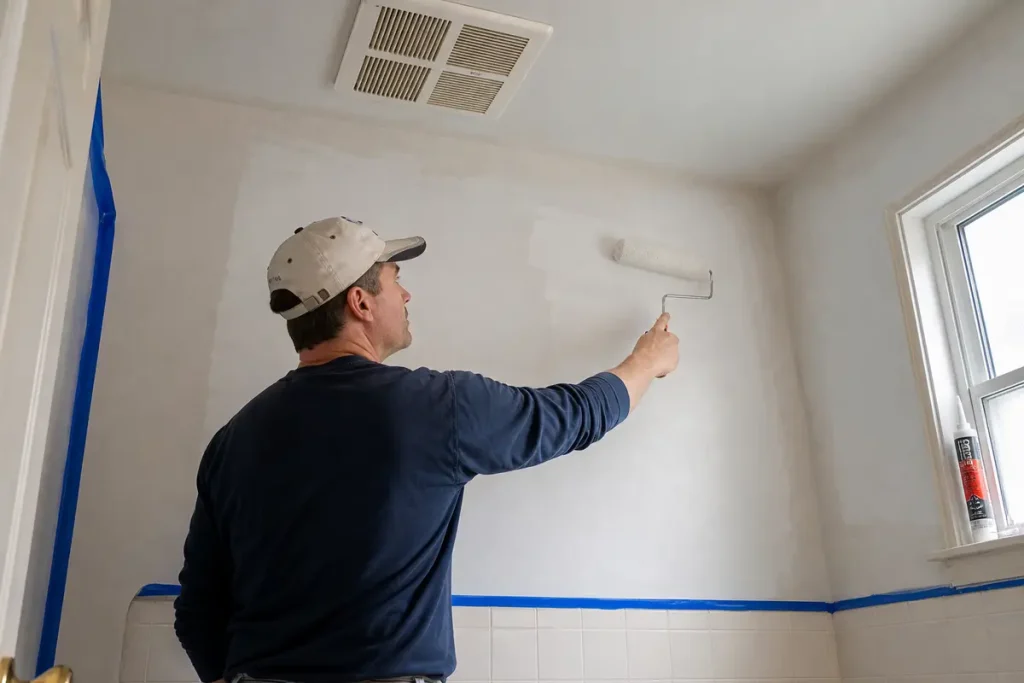
Focus on Mold Resistant Materials: When replacing or repairing, opt for mold-resistant materials like treated drywall or paint to reduce future risks.
Guarantee Proper Sealing: After cleaning, seal any gaps or cracks in walls and floors with caulk or sealant to prevent moisture from seeping in.
Remove and Replace Damaged Materials
When dealing with the aftermath of flooding, addressing damaged materials is vital for preventing mold growth. You’ll need to assess the extent of the damage and identify materials that have absorbed water, such as drywall, insulation, and carpeting. Following replacement guidelines, remove any affected items promptly to minimize mold risk.
Consider using mold resistant materials for your replacements. These products, designed to withstand moisture, can help protect your home from future infestations. For instance, mold-resistant drywall and paints can greatly lower your chances of mold re-emergence.
As you work through this process, remember that thoroughness and attention to detail are essential. Make sure you’re not just covering up the problem; instead, replace materials effectively to create a safe, mold-free environment for you and your loved ones.
Ensure Proper Ventilation
Replacing damaged materials is only part of the strategy for preventing mold growth. Ensuring proper ventilation is essential for effective airflow management and humidity control.
By maintaining ideal airflow, you can greatly reduce the chances of mold taking hold in your home. Here are three actionable steps you can take:
Open windows and doors: Whenever possible, let fresh air circulate through your space. This helps lower humidity levels, making it difficult for mold to thrive.
Use fans: Position fans strategically to promote air movement, especially in areas prone to dampness. This encourages evaporation and keeps humidity at bay.
Install exhaust fans: In bathrooms and kitchens, exhaust fans work wonders in removing excess moisture. Make sure they’re running during and after cooking or showering.
Monitor for Signs of Mold Growth
Even after taking steps to prevent mold, staying vigilant for signs of its growth is essential in a post-flood environment.
Regularly inspect areas prone to moisture, such as basements, bathrooms, and behind appliances. Utilize mold identification techniques like visual inspections, where you look for discoloration or fuzzy patches on surfaces.
Also, pay attention to any musty odors, which can indicate hidden mold.
Implement early detection methods by using moisture meters to check humidity levels. Keeping indoor humidity below 60% can greatly reduce mold risk.
If you notice any water stains or peeling paint, investigate further, as these can signal moisture accumulation conducive to mold growth.
Consider Professional Mold Remediation
Evaluating the potential health risks associated with mold exposure, it’s crucial to assess whether professional mold remediation is necessary after flooding.
While you might feel tempted to tackle the issue yourself, professional remediation services can guarantee a thorough and effective approach.
Here are three reasons to think about hiring experts:
Accurate Mold Testing: Professionals use specialized equipment to identify hidden mold and assess the extent of the problem, guiding the remediation process effectively.
Advanced Techniques: They employ state-of-the-art techniques to remove mold safely and prevent its return, reducing the risk of future growth.
Health and Safety: Remediation experts understand the health implications of mold exposure, taking necessary precautions to protect you and your family during the process.
Implement Long-Term Prevention Strategies
Once you’ve addressed the immediate mold issue post-flooding, it’s crucial to implement long-term prevention strategies to avoid future outbreaks.
Start by identifying potential moisture sources in your home, such as leaky pipes or poor drainage. Fix these issues promptly; preventive measures like installing sump pumps or dehumidifiers can greatly reduce humidity levels.
Next, verify proper ventilation in areas prone to dampness, such as bathrooms and basements. Use exhaust fans and open windows to promote air circulation.
Regularly inspect and maintain your roof, gutters, and siding to prevent water intrusion.
Educate your family about mold and moisture control, fostering a community mindset aimed at keeping your home healthy.
Mold can start growing within 24 to 48 hours after flooding. In the flooding aftermath, maintaining a swift response is essential to minimize the mold growth timeline and protect your environment from potential damage.
While bleach can effectively tackle mold on certain surfaces, it isn’t a universal solution. Assess surface compatibility first; for porous materials, consider alternatives, as bleach might not penetrate effectively, leaving behind unwelcome traces.
Mold exposure can lead to various health risks, including mold symptoms like sneezing and coughing, and serious respiratory issues. If you notice these symptoms, it’s essential to address mold promptly to protect your health.
You can spot hidden mold signs by checking for wall moisture detection. Look for stains, warping, or a musty smell. Using a moisture meter can help reveal damp areas, indicating potential mold growth behind your walls.
You should definitely consider using mold-resistant paints and moisture barriers in your projects. These products actively inhibit mold growth, helping to create a healthier environment and ensuring your living spaces remain safe and comfortable for everyone.
Don’t risk further damage to your property. Bear Restoration‘s ‘s ‘s ‘s IICRC-certified team is available 24/7 for emergency restoration in Louisville, KY and surrounding areas.
Learn about our Mold Remediation service →

Read Our Reviews