Why St. Matthews Homes Are High-Risk for Hidden Water Damage
St. Matthews has struggled with water damage from flooding for decades because the city was originally built on poorly drained farmland. By the 1940s, locals even called it “the land of the lakes” due to how often streets and yards flooded after heavy rain. While the drainage system was built in 1945, much of it is now outdated and strained by modern development.
The Middle Fork Beargrass Creek also runs through the city, carrying runoff from miles of developed land. Many St. Matthews homes also contain finished basements, older supply lines, hardwood flooring, plaster walls, and modern drywall additions that are highly vulnerable to hidden moisture damage. Water rarely stays in one place — it spreads downward through subfloors, sideways through joist bays, and inward through wall cavities, which means the visible damage is often only a small part of the problem.
How We Actually Evaluate a Water Damage Loss
When we arrive on a St. Matthews property, we don’t start placing fans—we start gathering data. Every material holds moisture differently, and every environment behaves differently. We establish a dry standard, then measure how far the structure has deviated from it.
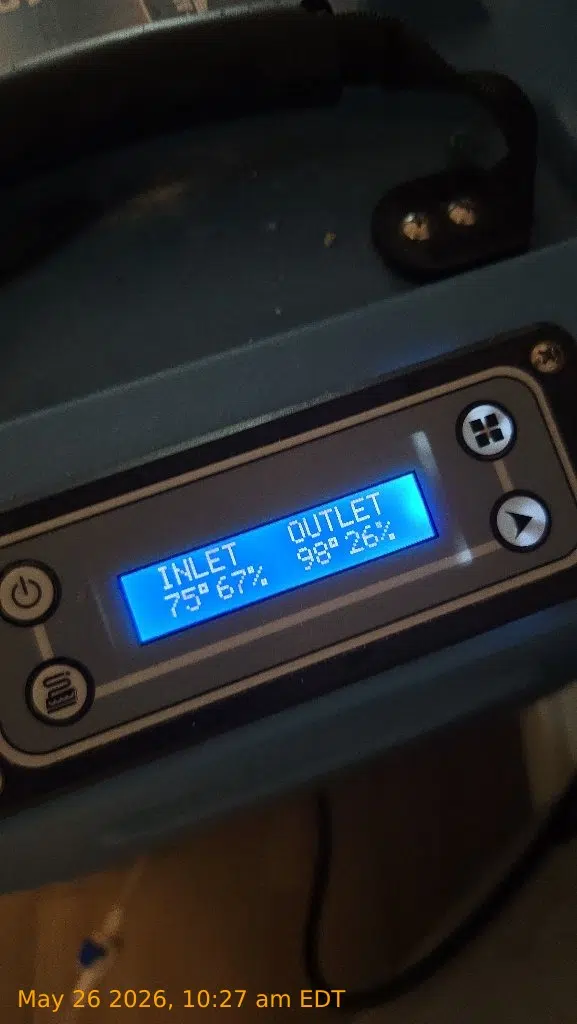
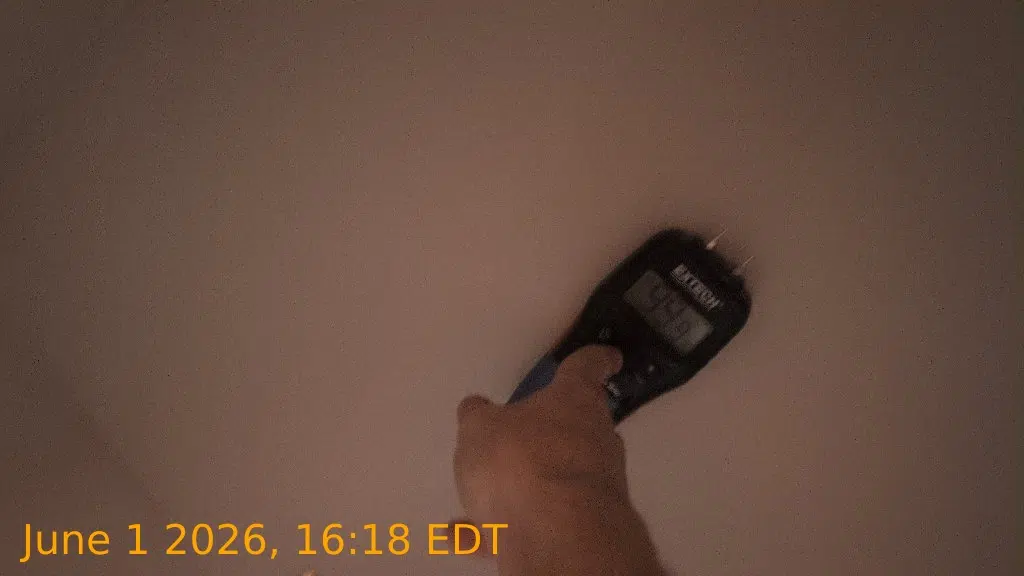
We take direct moisture readings from wood subfloors, framing members, and drywall using professional-grade meters. At the same time, we evaluate the indoor environment—temperature, relative humidity, and grains per pound—to understand how moisture is behaving in the air. This matters because drying isn’t about “air movement”—it’s about creating the right vapor pressure differential so moisture leaves materials and enters the air, where it can then be removed.
This is the difference between a job that dries in three days and one that quietly grows mold behind the walls.
Basement and Crawlspace Water Damage in St. Matthews
Most of the calls we run in 40207 involve flooded basements, and there is a reason. The original 1950s and 1960s basements in St. Matthews were not waterproofed to modern standards. Block foundations with no exterior membrane, interior drain tile that has long since clogged with iron ochre, and finished basements added by later owners with paneling and carpet directly over the slab. When the Middle Fork rises or the storm sewer backs up, water enters at the cove joint where the slab meets the wall, wicks into the sill plate, and travels laterally through joist bays.
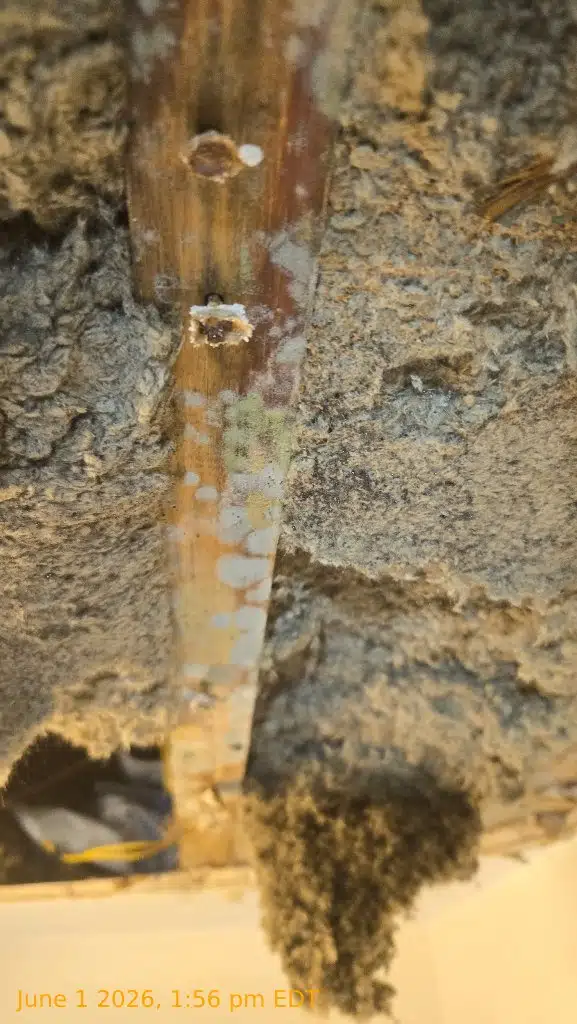
We approach these losses with targeted extraction, controlled airflow, and selective demolition only where it is genuinely needed. The goal is not just to dry the air in the room. The goal is to dry the basement itself, including the cavities behind the finish materials, the sill plates, and the underside of the subfloor above. By the time the homeowner notices a damp spot or a musty smell, the framing behind the finished wall has often been wet for days.
Neighborhoods and Zip Codes We Serve in St. Matthews
Bear Restoration provides water damage restoration services throughout St. Matthews and the surrounding communities, including ZIP codes 40207, 40222, and portions of 40223. Our team regularly serves homeowners and businesses in Beechwood Village, Cherrywood, Cherokee Seneca, Bellewood, Norbourne Estates, Richlawn, Druid Hills, and neighborhoods throughout the Brown Park corridor.
We also respond to commercial water losses along Shelbyville Road, Dutchmans Lane, and the surrounding retail, office, and medical districts. Whether the damage occurs in a single-family home, condominium, apartment community, retail space, or office building, our technicians have the equipment and experience to handle losses of all sizes.
Common service areas include properties near Browns Lane, Breckenridge Lane, Chenoweth Lane, Westport Road, Frankfort Avenue, and the Mall St. Matthews and Oxmoor Center corridors. Our local presence allows us to respond quickly when water damage emergencies occur, helping reduce secondary damage and begin the drying process as soon as possible.