Black Mold in Louisville, KY: What It Is, Why It Happens, and How to Remove It Safely
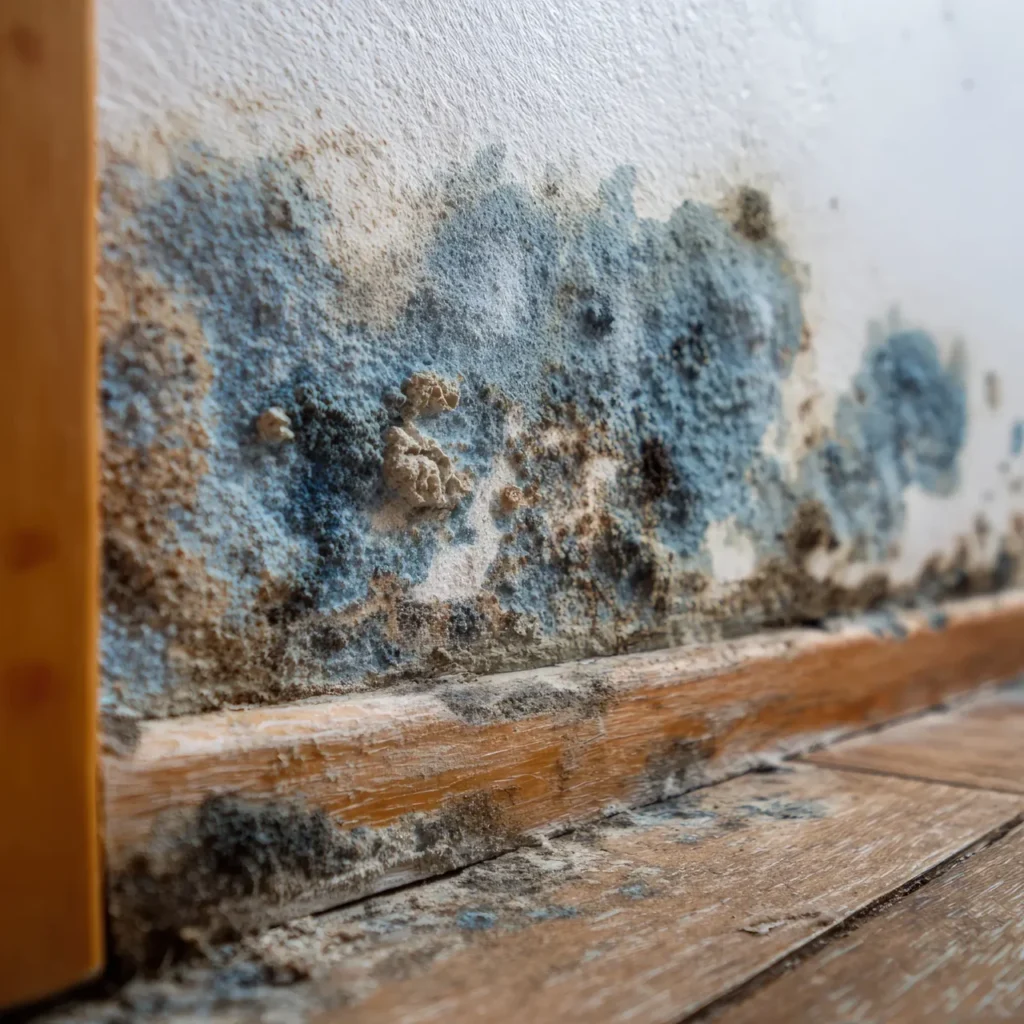
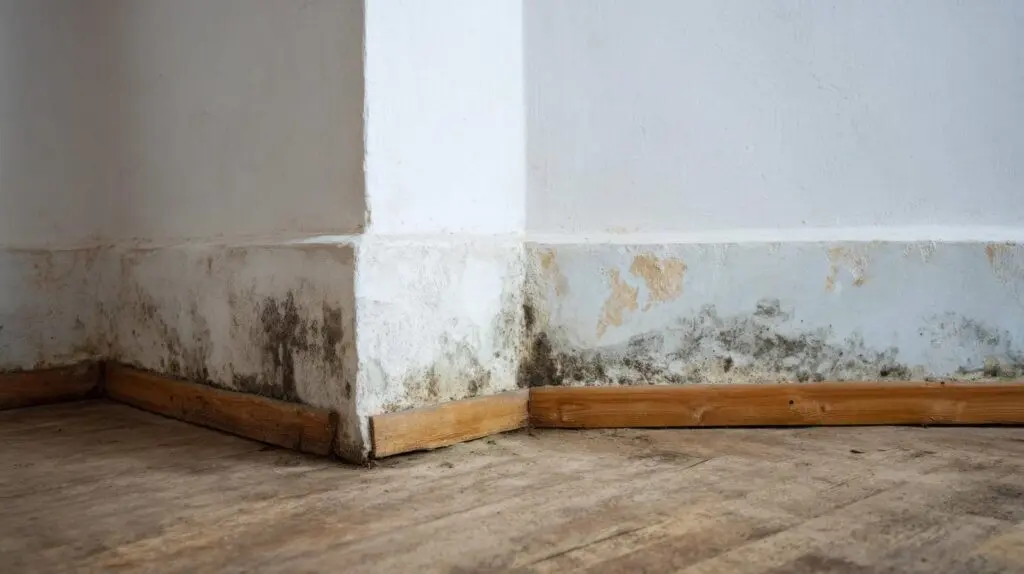
Black mold in Louisville homes is more common than most people think. Between humid summers, older homes, and frequent basement moisture issues near the Ohio River, mold growth can happen fast—and quietly.
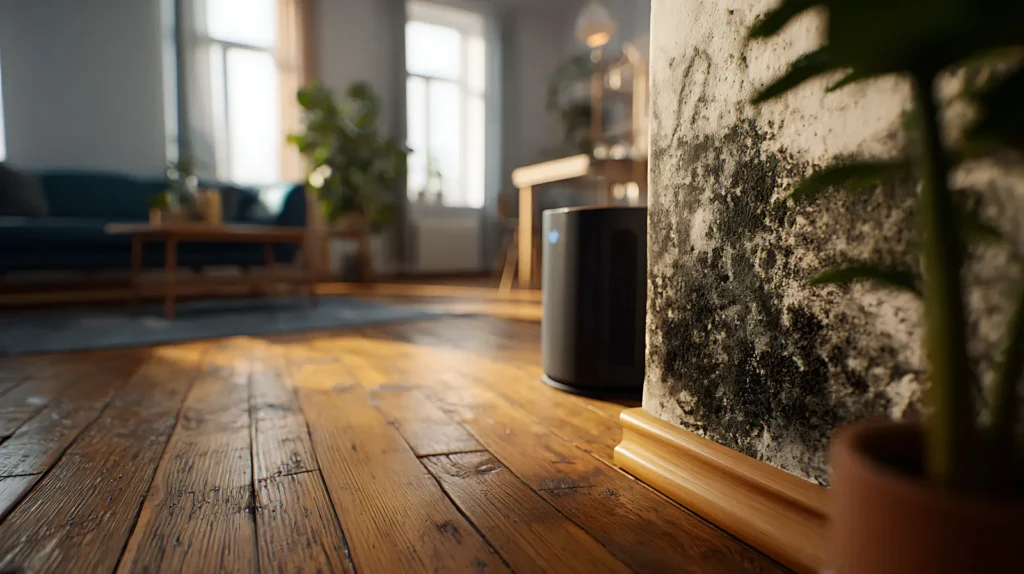
If you’re seeing dark spots on walls, smelling a musty odor, or dealing with past water damage, you’re not just dealing with a surface problem. Mold is almost always a sign of hidden moisture, and if it’s not handled the right way, it will come back.
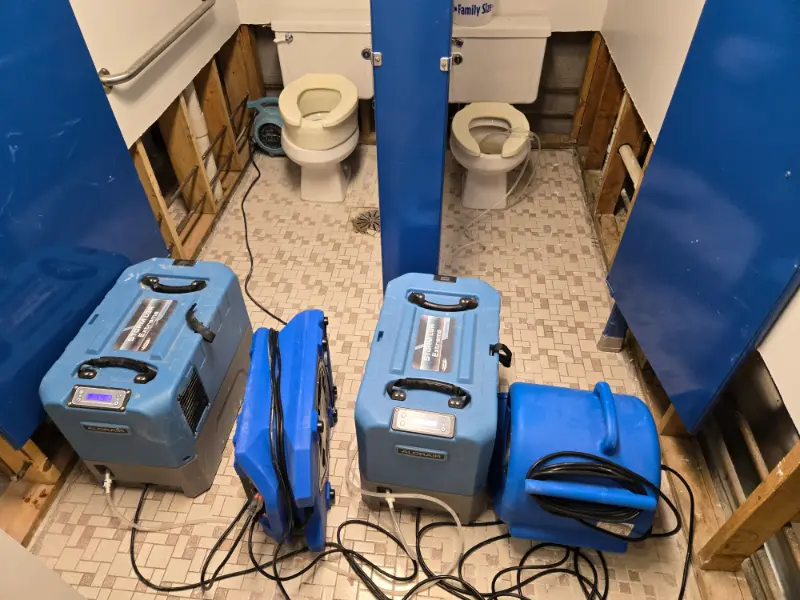
At Bear Restoration, owner Emery and his IICRC-certified team handle mold problems the correct way—by following real science, not guesswork. This guide breaks everything down in simple terms so you know what’s happening, what matters, and what to do next.
Why Black Mold (Stachybotrys) Only Grows in Certain Conditions
Stachybotrys is not an aggressive, fast-spreading mold like many others. It is selective. It requires a high level of moisture, low airflow, and a steady food source like cellulose-based materials. That means drywall backing, wood framing, and insulation become ideal environments—but only if they remain wet.
This is why black mold almost always points to a long-term moisture condition, not a recent event. In a Louisville home, that often traces back to slow plumbing leaks inside walls, basement seepage behind finished drywall, or subfloor saturation that was never properly dried.
By the time it becomes visible, it has already been growing inside the material. The surface is simply the last place it appears.