What Are the Different Categories of Water Damage in Louisville?
Not all water damage is the same, and treating every loss the same way is one of the biggest mistakes made in restoration.
The IICRC classifies water damage into three categories based on the level of contamination. In Louisville, understanding this matters because the source of water—whether it’s a clean pipe break or a sewer backup—directly affects how the structure must be handled, what materials can be saved, and what must be removed.
Category 1 Water Damage: Clean Water From a Controlled Source
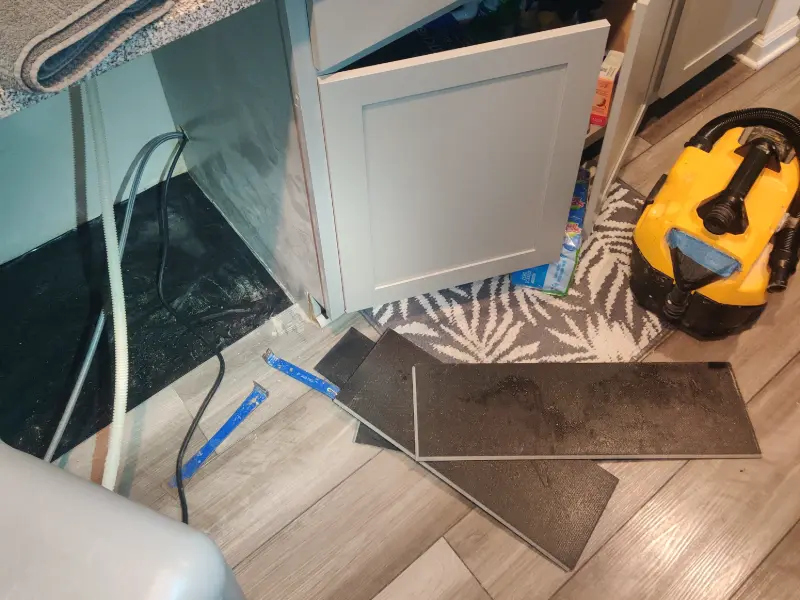
Category 1 water starts as clean, sanitary water that does not pose an immediate health risk. In Louisville properties, this is most commonly seen with broken supply lines, sink overflows, or appliance leaks.
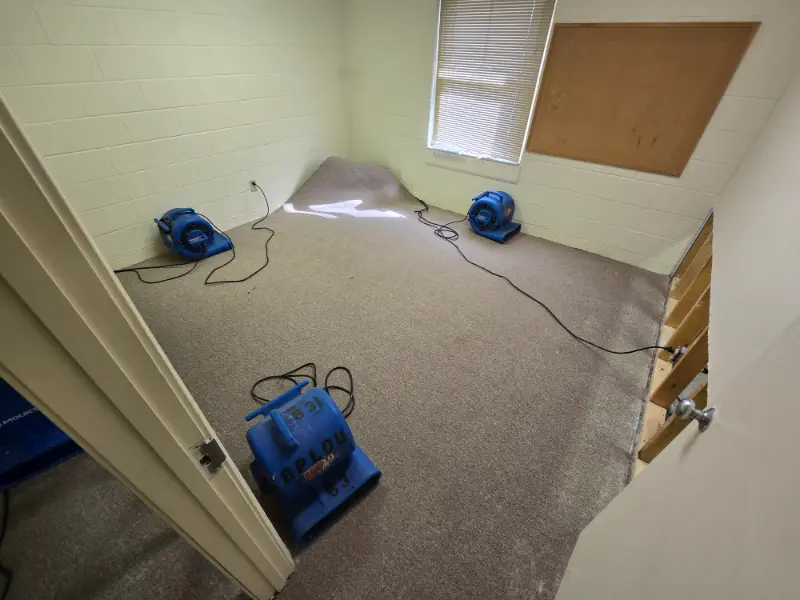
At the start, the focus is on rapid extraction and controlled drying because materials can often be preserved if moisture is removed quickly. However, what most homeowners don’t realize is how fast Category 1 water loses that status. As soon as it sits, passes through building materials, or mixes with contaminants inside a structure, it begins to degrade.
In a humid Louisville environment, that shift can happen in less than a day.
Category 2 Water Damage: Contaminated Water That Requires Controlled Removal
Category 2 water contains contaminants that can cause discomfort or illness. This often comes from sources like washing machine overflows, sump pump failures, or water that has traveled through multiple building materials.
By the time water reaches this category, it has already interacted with the structure. It may carry bacteria, organic material, and residues that cannot simply be dried in place.
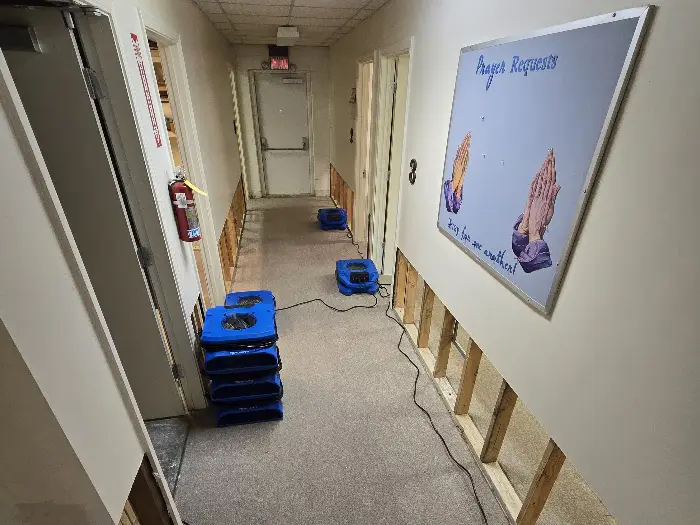
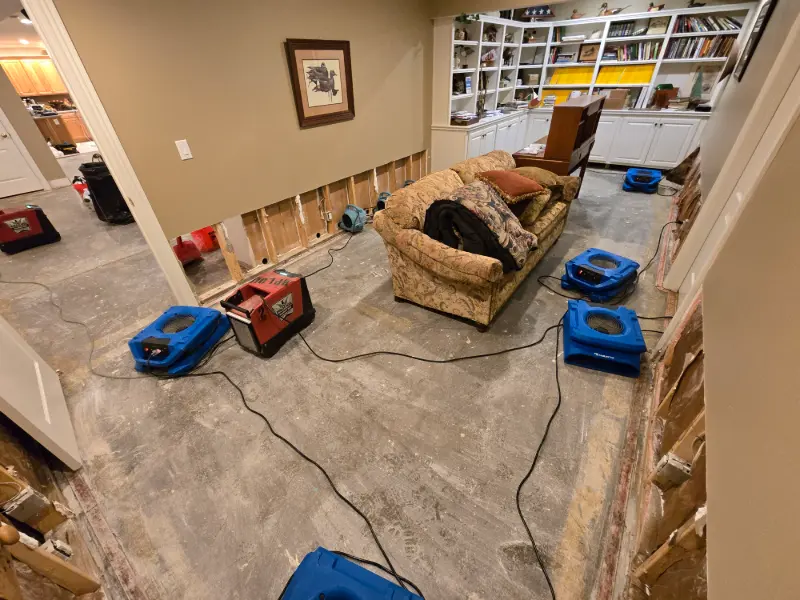
This is where restoration becomes more selective. Some materials can still be saved, but others—especially porous ones like carpet padding or insulation—are often removed because they cannot be reliably cleaned. In Louisville homes with older materials, this category tends to spread further than expected due to how easily moisture moves through the structure.
Category 3 Water Damage: Highly Contaminated or Hazardous Water
Category 3 water is the most severe and requires full containment and controlled handling. This includes sewage backups, floodwater from outside, and any water that has been heavily contaminated.
In Louisville, this is commonly seen in basement flooding events where groundwater mixes with debris, or during heavy storms where drainage systems are overwhelmed. Water from these sources carries bacteria, pathogens, and harmful contaminants that make direct exposure unsafe.
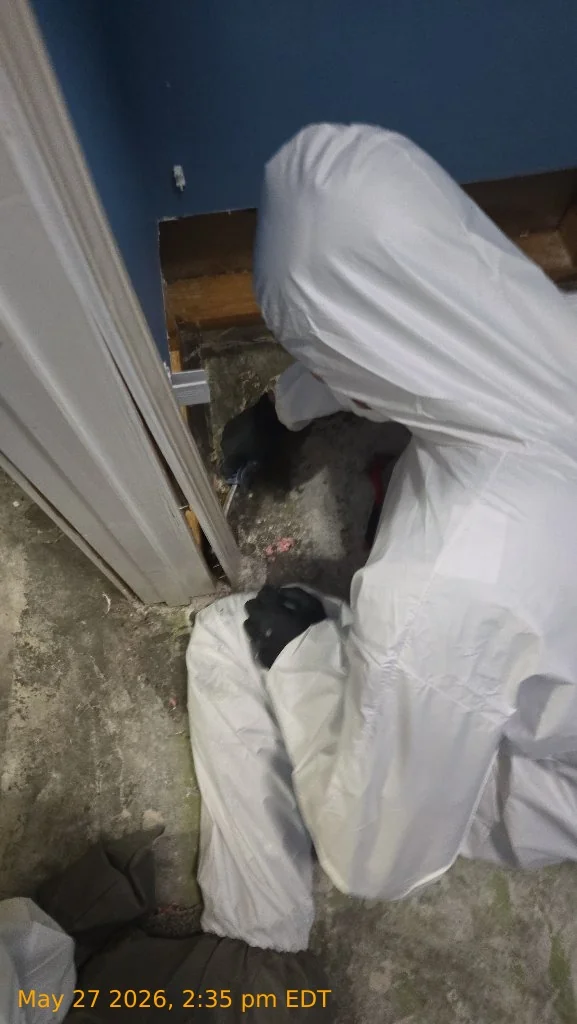
At this level, restoration is no longer about saving materials—it’s about protecting health and removing contamination. Porous materials are typically discarded, affected areas are contained, and the structure is cleaned and sanitized before any drying or rebuilding begins.
Why Water Damage Category Determines the Entire Restoration Process
The category of water damage is not just a label—it dictates every decision that follows.
It determines:
- What safety measures are required
- What equipment and containment must be used
- What materials can be saved versus removed
- How the structure must be cleaned before drying
In Louisville, where humidity, basements, and older construction all influence how water behaves, properly identifying the category is critical. Misclassifying water damage often leads to incomplete restoration, lingering contamination, and problems that show up long after the job is finished.
That’s why every project at Bear Restoration starts with correctly identifying the water source and condition—because getting that wrong means everything that follows is compromised.
Call Bear Restoration for Water Damage Cleanup & Repair in Louisville, KY
If you are dealing with water damage in Louisville, the most important step is getting an accurate understanding of what is actually happening inside your structure.
Bear Restoration provides IICRC-standard water damage restoration throughout Louisville, including St. Matthews, Middletown, Jeffersontown, Shively, and surrounding areas. Every project is approached with the same level of detail—identifying the full extent of the damage, controlling the drying process, and verifying that the structure is truly restored.
When water damage is handled correctly, it does not turn into a long-term problem. When it is rushed or underestimated, it almost always does.
Call Bear Restoration today to get the process started the right way.