
Why Storm Damage Is a Serious Problem in Louisville

Louisville sits in a high-risk weather corridor where thunderstorms, flash flooding, and tornado-producing systems collide. The region regularly experiences extreme weather—including damaging winds, heavy rainfall, and severe storms capable of widespread destruction.

Here’s the reality most homeowners underestimate:

  • Louisville faces two major flood types: river flooding and fast-rising flash floods
  • About 22% of properties are at high flood risk
  • Tornado risk is among the highest hazard categories in the area (9/10 risk score)

This combination makes storm damage not just possible—but predictable and recurring.

Call (502) 200-6968

What Types of Storm Damage Are Most Common in Louisville?

Flash Flooding from Thunderstorms

Flash flooding is the most dangerous and fastest-moving threat in Louisville. It occurs when intense rainfall overwhelms drainage systems—often within minutes—leaving homeowners little time to react.

Common damage includes:

  • Flooded basements
  • Water intrusion through foundations
  • Saturated drywall, insulation, and flooring
  • Electrical system exposure

River & Groundwater Flooding

The Ohio River and elevated groundwater levels can lead to long-duration flooding, particularly in low-lying neighborhoods throughout Louisville.

What this leads to:

  • Structural weakening of foundations
  • Long-term moisture retention
  • Mold growth within 24–72 hours

Severe Thunderstorm Damage (Wind + Rain)

Louisville thunderstorms frequently bring wind gusts exceeding 60 mph along with heavy rainfall, creating a perfect storm for widespread property damage.

Typical damage patterns:

  • Roof leaks and shingle loss
  • Broken windows and siding damage
  • Water entry from compromised building envelopes
  • Tree impacts causing secondary water damage

Tornado-Related Structural Damage

Kentucky experiences an average of around 21 tornadoes per year, and Louisville has a documented history of severe storm events that can cause catastrophic damage.

Damage includes:

  • Structural collapse
  • Total roof removal
  • Debris-driven water intrusion
  • Catastrophic property loss
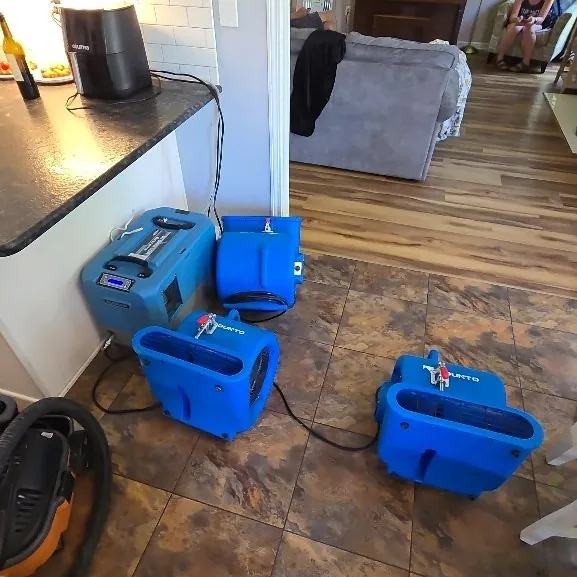
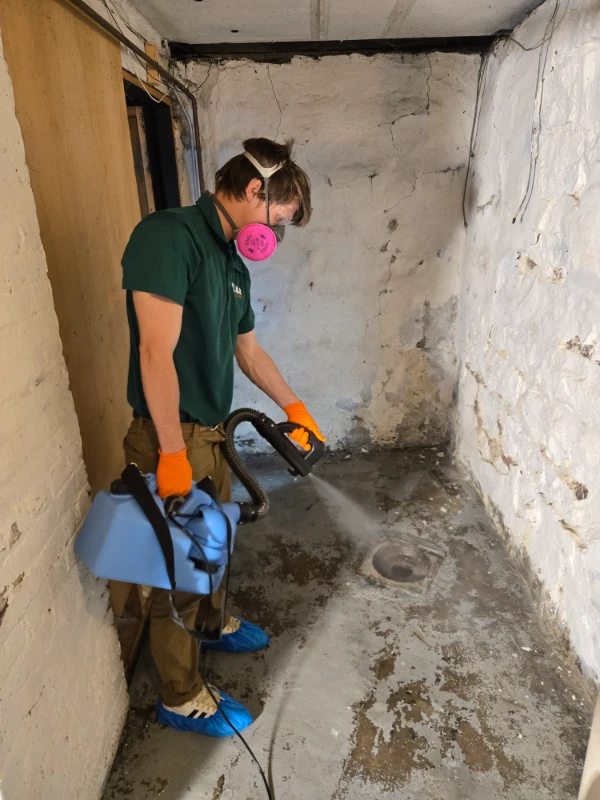
Floor fumigation and restoration Bear Restoration Louisville KY

Real-Life Louisville Storm Scenario (What It Actually Looks Like)

A strong thunderstorm hits the East End overnight. Heavy rain overwhelms the yard drainage, and water begins pooling around the foundation.

By morning:

  • The basement has 2–3 inches of water
  • The carpet is fully saturated
  • Drywall has wicked moisture up 12–24 inches
  • Humidity levels inside exceed 80%

Within 48 hours:

  • Musty odor develops
  • Mold begins forming behind baseboards
  • Subfloor moisture threatens structural integrity

This is where professional intervention becomes the difference between a $5K cleanup vs. a $40K rebuild.

Call (502) 200-6968

Choose The Premier Storm Damage Repair Team in Louisville

Storm damage has a way of making everything feel uncertain—but the path forward doesn’t have to be. With the right response, the right equipment, and a team that understands how water behaves inside a structure, your property can be stabilized, dried, and fully restored without shortcuts.

In Louisville, where thunderstorms and flash flooding are part of the reality, preparation and fast action are everything. The difference between a minor cleanup and a major rebuild often comes down to how quickly and correctly the damage is handled.
If your home or business has been hit by flooding or storm-related damage, don’t wait and hope it dries on its own—it won’t. Get ahead of the damage, protect your investment, and restore your space the right way.

Call now for expert storm damage repair in Louisville and surrounding areas—24/7 response, real solutions, and restoration done right the first time.

Storm Damage Repair in Louisville, KY – FAQ

We handle all water-related storm damage: roof leaks from missing or lifted shingles, wind-driven rain intrusion through damaged flashing or soffits, window and door leaks from pressure differentials, tree impact damage that breaches the building envelope, and flooding from overwhelmed gutters or storm drains.

Our focus is on the water damage that follows the storm—extraction, drying, mold prevention, and structural repair. For roofing-only work, we coordinate with licensed roofers and can manage the project end to end.

Immediately. Louisville averages 30+ severe thunderstorm warnings per year, and after each major event, restoration companies are flooded with calls. Calling early secures your place in the response queue and gets a crew to your property before secondary damage (mold, warping, electrical issues) compounds the loss.

If there is active water intrusion and you cannot reach us immediately, place buckets under leaks, move furniture and electronics away from wet areas, and shut off power to affected rooms at the breaker panel.

Emergency tarping (also called board-up or temporary protection) is the process of securing damaged openings—roof sections, broken windows, compromised siding—to prevent further water intrusion until permanent repairs can be made. We use heavy-duty tarps and plywood secured with screws or battens, not staples, to withstand subsequent storms.

Tarping is needed anytime the building envelope is breached. Most insurance policies cover emergency protective measures as part of the claim, and failing to tarp a known opening can result in denial of additional damage claims.

Most homeowners insurance policies (HO-3) cover wind and hail damage as named perils. This includes roof damage, siding damage, and the interior water damage caused by the storm breach. However, flood damage from rising water (such as overflowing creeks or storm surge) is not covered under standard policies—that requires a separate NFIP flood policy.

The distinction is important: water that enters from above (roof, windows) is typically covered; water that enters from below (ground-level flooding) typically is not. We document the entry point and cause to help your adjuster determine coverage.

Yes, and it is more common than most homeowners realize. Wind-driven rain that enters through a small roof breach can saturate attic insulation and wall cavities without any visible sign on the interior. In Louisville’s humidity, mold can begin colonizing this hidden moisture within 48 hours.

Months later, residents notice a musty smell or see discoloration on a ceiling. By then, the mold has spread significantly. After any storm that damages the roof or siding, we recommend a moisture inspection of the attic and exterior walls to catch hidden intrusion early.

We tarp the roof first to stop active water entry, then set up interior drying equipment. The tarp creates a temporary weather barrier that allows dehumidifiers and air movers to work effectively. Without that barrier, outdoor humidity and potential rain make indoor drying impossible.

We coordinate with roofing contractors to schedule permanent repairs while drying continues inside. In many cases, the interior can be fully dried and reconstructed before the final roof repair is completed, especially if the tarp is properly installed and maintained.

Fiberglass batt insulation that has been soaked loses its R-value (thermal resistance) and takes an extremely long time to dry in place. If it has been wet for more than 48 hours, it almost always needs to be removed and replaced. Cellulose (blown-in) insulation absorbs water like a sponge and develops mold quickly—it should be removed once saturated.

Spray foam insulation is closed-cell and does not absorb water, but water can still be trapped behind it against the roof deck or wall sheathing. We inspect behind insulation to confirm that structural materials are dry before any insulation is reinstalled.