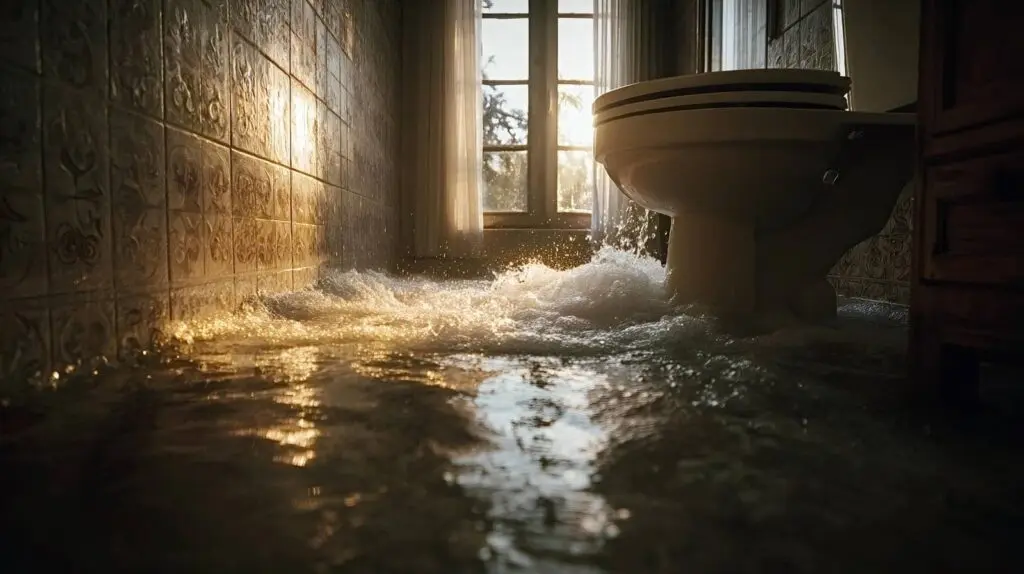
Emergency Sewage Backup Cleanup & Sanitization in Louisville, KY

When a sewage backup hits your home or business, you’re not dealing with “dirty water”—you’re dealing with Category 3 contamination, the most hazardous class of water damage. This isn’t a mop-and-fan situation. It’s a biohazard event that demands trained professionals, strict safety protocols, and a by-the-book remediation process aligned with IICRC standards. standards. standards. standards.

If you’re in If you’re in Louisville, time is everything. The Ohio River, older plumbing systems, basement-heavy homes, and seasonal storms create the perfect conditions for backups. The longer contamination sits, the deeper it spreads—into flooring, framing, HVAC systems, and even the air you breathe.

Why Sewage Backups Are More Severe Than Typical Water Damage

Sewage backup is classified as Category 3 water under the IICRC S500 standard because it contains grossly contaminated water that can carry harmful bacteria, viruses, parasites, and other disease-causing organisms. Common contaminants may include E. coli, Hepatitis A, and other pathogens that pose serious health risks to occupants.

Unlike clean water, sewage contamination does not stay on the surface. It can soak into drywall, carpet, insulation, wood framing, and other building materials, creating hidden contamination that continues to affect the property even after standing water is removed.

Why Does Sewage Require Professional Cleanup?

Because of the health risks involved, sewage cleanup follows strict IICRC S500 and IICRC S520 guidelines. Technicians use specialized protective equipment, contain affected areas, remove unsalvageable porous materials, and apply EPA-registered antimicrobial treatments to eliminate harmful contaminants.

Treating a sewage backup like a typical water spill can spread contamination and leave dangerous pathogens behind. Proper Category 3 remediation is designed to fully remove contamination, restore safe indoor conditions, and protect the health of everyone in the building.
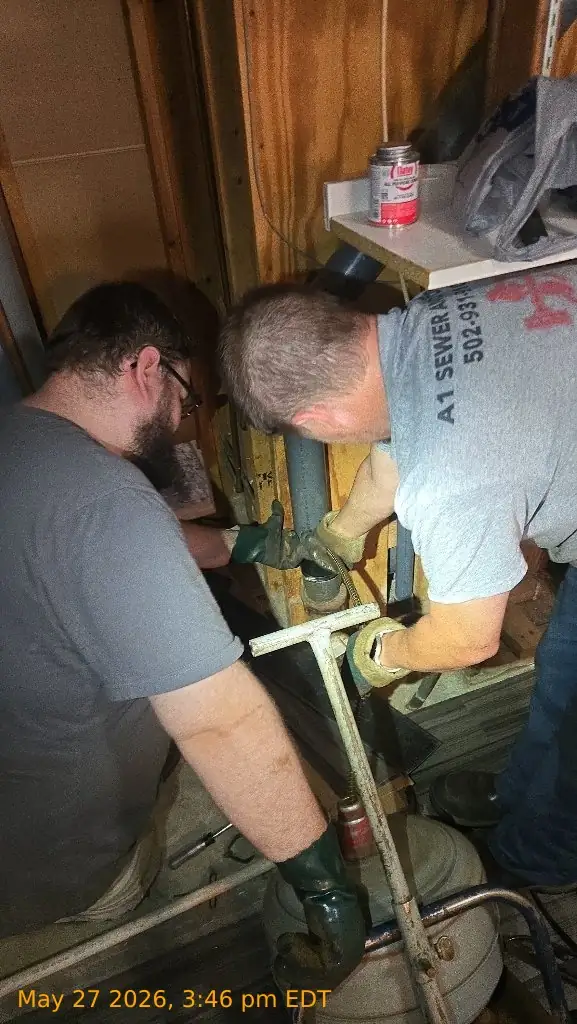
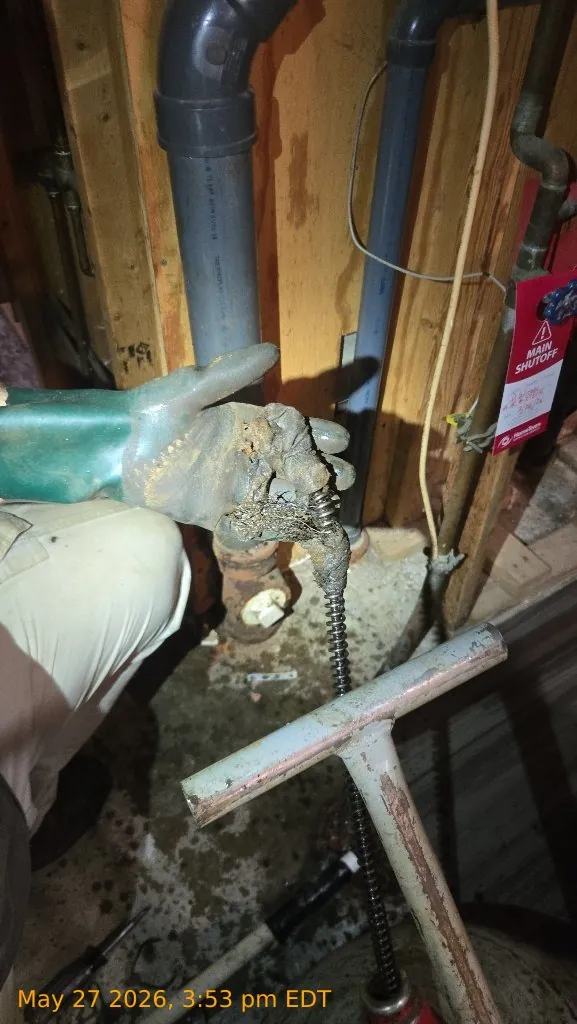
sewage backup cleanup services

What Causes Sewage Backups in Louisville Homes & Businesses?

St. Matthews, Highlands, and older parts of Downtown—are uniquely vulnerable.

Common causes include:

  • Aging sewer lines in older neighborhoods (clay or cast iron pipes deteriorate)
  • Tree root intrusion cracking underground pipes
  • Heavy rainfall & storm surges overwhelming municipal systems near the Ohio River
  • Clogged or collapsed main sewer lines
  • Backflow from municipal sewer overloads
  • Sump pump failures during storms
  • Improper disposal of grease, wipes, and debris

Once a backup occurs, contamination spreads fast—through porous materials like drywall, insulation, carpet, and wood subfloors.

Call (502) 200-6968

How does Bear Restoration clean and decontaminate a sewage backup?

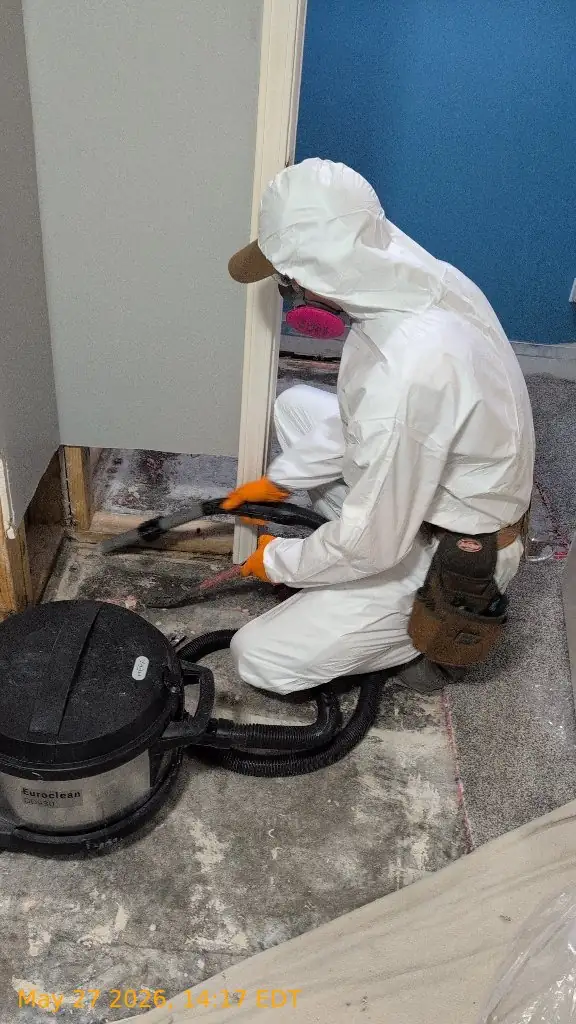
Our process is built around containment and decontamination from the first step. Technicians arrive in personal protective equipment, establish containment to keep the contaminated area separate from the rest of the home, and shut off the source where possible. We then remove the bulk sewage and any solids, followed by extraction of the contaminated water using dedicated equipment.

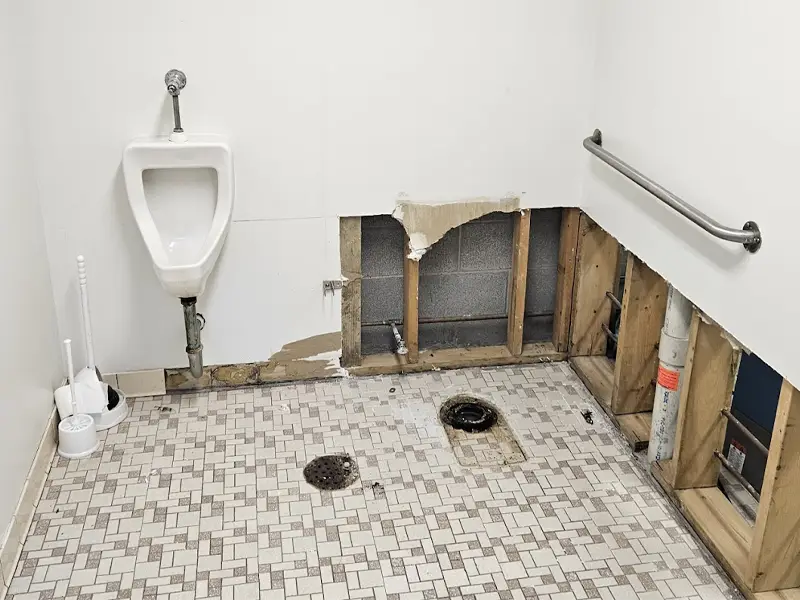
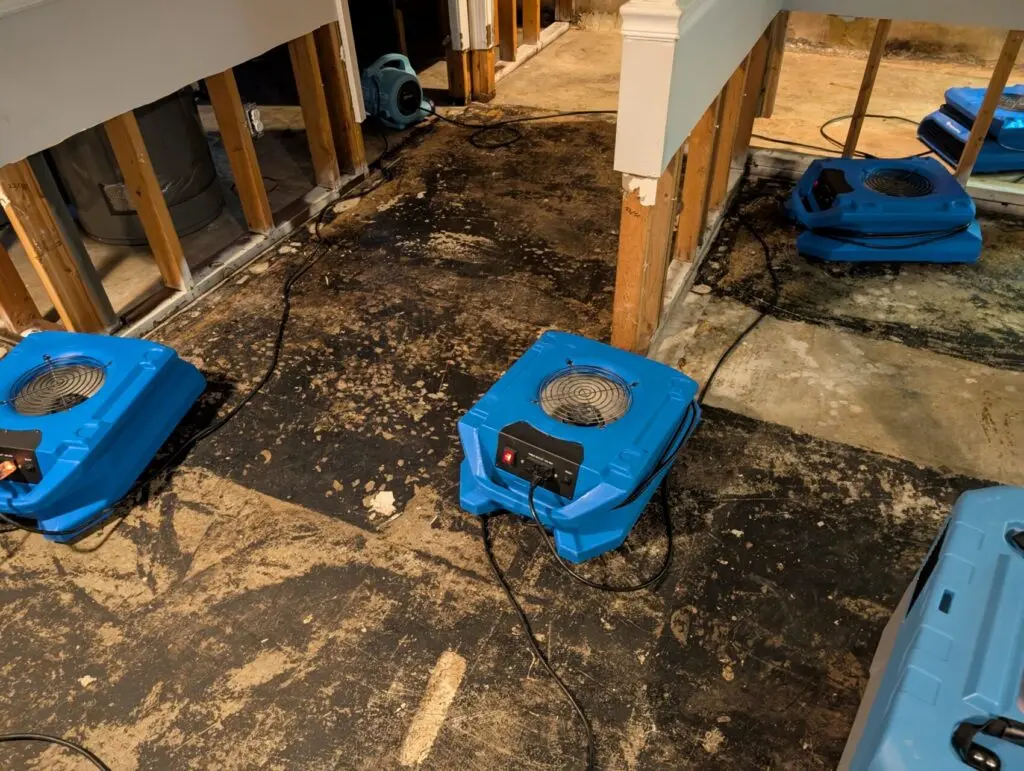
Next comes the removal of unsalvageable porous materials, which in a sewage backup typically includes carpet, pad, affected drywall, and saturated insulation, all bagged and disposed of according to regulations for contaminated waste. We then clean and decontaminate all remaining surfaces with EPA registered antimicrobials appropriate for Category 3 pathogens, treating framing, hard flooring, and structural components. Only after decontamination do we move into structural drying, since drying a still contaminated space would simply circulate pathogens. Throughout, we control odor and verify that surfaces are decontaminated and materials reach their dry standard. Every step is documented for your insurance claim, and we bill your carrier directly.

What can be saved and what has to be thrown out?

The dividing line in Category 3 work is porosity. Non porous materials such as sealed concrete, metal, glass, and solid hard surfaces can generally be cleaned and decontaminated because pathogens stay on the surface where antimicrobials can reach them. Semi porous materials like wood framing can often be decontaminated and saved with proper treatment, though heavily saturated or already deteriorated wood may not survive.

Porous materials are the ones that go. Carpet, carpet pad, fiberglass insulation, particleboard, and the lower portion of drywall that wicked contaminated water all absorb pathogens into a structure that cannot be reliably cleaned, so the S500 standard calls for their removal and disposal rather than attempted decontamination. This is often the hardest part for homeowners to accept, especially with sentimental or expensive items, but it is the only safe approach. Soft goods like upholstered furniture, mattresses, and rugs that contacted sewage are typically discarded for the same reason. What we save, we save with confidence that it is genuinely decontaminated, and what we remove, we remove because keeping it would leave your family living with the contamination.

Emergency Sewage Cleanup and Basement Restoration in Shively, KY

Protect Your Health with Professional Sewage Cleanup

Sewage backups can introduce harmful bacteria, viruses, and contaminants into your home or business. The longer sewage remains in your property, the greater the risk of health problems, structural damage, and mold growth. Our sewage backup cleanup services focus on fast, effective removal, followed by thorough sanitization and disinfection. Whether it’s a flooded basement, a backed-up toilet, or a burst pipe, our team is trained to handle the job with care, ensuring no harmful residue is left behind.

Protect your health and your property by acting fast. We’ll ensure that your space is cleaned and sanitized properly, so you don’t have to worry about the long-term impact of sewage contamination.

Add Any content here

Navigating Insurance Claims for Sewage Damage

Insurance coverage for sewage backups can vary depending on your policy. Some policies include specific riders for sewer backups, while others may exclude certain types of damage. The key factors often come down to whether the event was sudden and accidental or related to maintenance issues.

A professional restoration team plays a crucial role in the claims process. Detailed documentation, including photos, moisture readings, and scope reports, helps support your claim and ensures that all necessary work is covered. Coordination with your adjuster can significantly streamline the process and reduce delays.

Preventing Future Sewage Backups

While not every backup can be prevented, proactive measures can significantly reduce your risk. Installing a backwater valve is one of the most effective ways to stop sewage from re-entering your home during municipal overloads. Regular sewer line inspections can identify cracks, blockages, or root intrusion before they become major problems.

Simple habits also make a difference. Avoid flushing wipes or hygiene products, dispose of grease properly, and address slow drains early. Maintaining your sump pump system and having a backup power source in place can also provide critical protection during storms.

Emergency Sewage Backup Cleanup in Louisville – Call Now

When sewage enters your property, every minute matters. Delaying cleanup allows contamination to spread deeper into materials, increases the risk of mold growth, and drives up restoration costs. This is not a situation where you can afford to wait or take shortcuts.

If you’re dealing with a sewage backup in Louisville, you need a team that understands the urgency, follows strict safety protocols, and executes the job with precision from start to finish. From initial containment to full reconstruction, the goal is simple: restore your property safely, completely, and without compromise.

Call now for immediate sewage backup cleanup in Louisville, KY. Get fast response, certified remediation, and the peace of mind that your home or business is being handled the right way—from the first step to the final rebuild.

Sewage Backup Cleanup In Louisville FAQ

A sewage backup happens when wastewater flows back into your home instead of out to the sewer system—often through drains, toilets, or basement floor drains.

This is classified as Category 3 “black water”, meaning it contains:

  • Harmful bacteria
  • Viruses and parasites
  • Toxic contaminants

Exposure can cause serious illness, making it a biohazard—not just a cleanup job.

In most cases: No.In most cases: No.

Category 3 contamination creates unsafe living conditions due to:

  • Airborne pathogens
  • Persistent odor gases
  • Risk of cross-contamination

We’ll guide you on whether temporary relocation is necessary based on the severity of the damage.

Absolutely.Absolutely.Absolutely.Absolutely.

Sewage backup is:Sewage backup is:

  • A biohazard event
  • A structural threat
  • A health riskA health risk

Most professional companies in Louisville operate 24/7 emergency response for this exact reason.

Typical timeline:Typical timeline:

  • Emergency cleanup: Same day
  • Drying: 2–5 days
  • Full restoration: 1–3+ weeks

Depends on:Depends on:Depends on:Depends on:

  • SeveritySeverity
  • Materials affected
  • Structural damage

Short answer: No — and you shouldn’t try.

Sewage cleanup requires:

  • PPE (biohazard suits, respirators)
  • Industrial extraction equipment
  • EPA-grade disinfectants
  • Proper disposal protocols

A shop vac + bleach won’t work and can spread contamination or expose you to illness.

Sewage (Category 3 / black water) contains E. coli, Salmonella, Hepatitis A, Norovirus, parasites like Giardia and Cryptosporidium, and dozens of other biological hazards. The Centers for Disease Control lists sewage exposure as a serious health risk, especially for children, the elderly, and anyone with a compromised immune system.

This is why IICRC S500 requires full PPE (respirators, gloves, eye protection, Tyvek suits) for technicians and removal of all porous materials contacted by sewage—carpet, pad, lower drywall, insulation, and any contents that absorbed the contaminated water.

In Louisville and Jefferson County, the property owner is responsible for the lateral line running from the house to the city main—typically the first 50–100 feet. Louisville MSD (Metropolitan Sewer District) maintains the public main line. If the backup is caused by a blockage in your lateral (usually tree roots, grease buildup, or collapsed clay pipe), the cost falls on you.

If MSD’s main line caused the backup, you may be eligible to file a claim with them. We document the damage and source to help you determine liability and support your claim regardless of who is responsible.