What To Do If You’re Experiencing Flooding From A Burst Pipe?
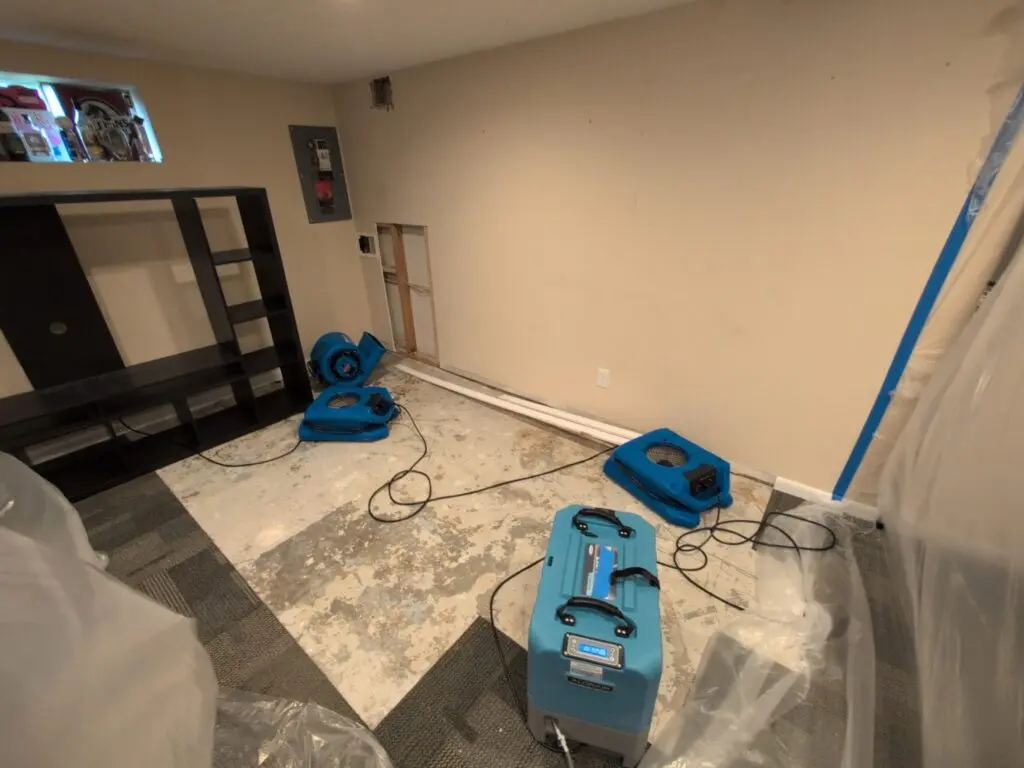
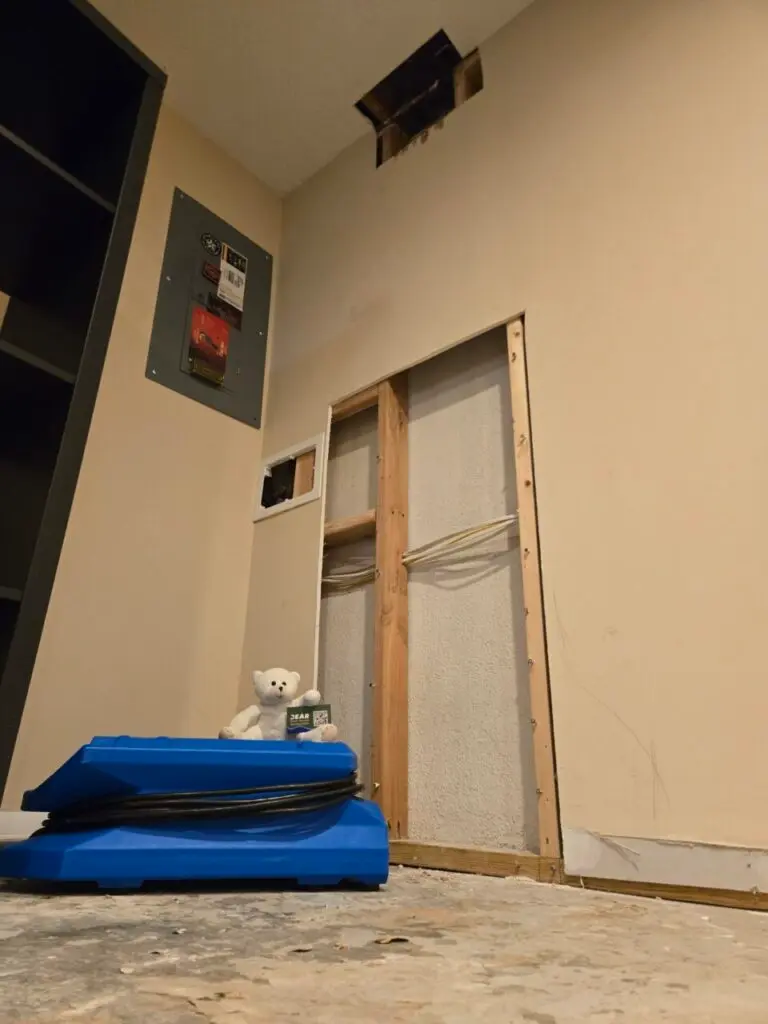
A burst pipe can release hundreds of gallons of water into your home in a matter of hours, causing extensive damage to flooring, drywall, insulation, cabinets, personal belongings, and even your home’s structure. When this happens, every minute matters. The longer water sits, the farther it spreads and the more expensive the repairs become.
At Bear Restoration, owner Emery and our IICRC-certified team provide fast burst pipe cleanup and water damage restoration throughout Louisville, St. Matthews, Middletown, Jeffersontown, Prospect, and surrounding areas. We arrive quickly, stop the damage from spreading, remove standing water, dry affected materials, and help protect your property from mold growth and long-term structural issues.
Whether a frozen pipe burst during a Louisville winter freeze, a supply line failed behind a wall, or a plumbing leak flooded your basement overnight, our team has the equipment and experience to restore your home the right way. If you’ve experienced a burst pipe in Louisville or Southern Indiana, call Bear Restoration now for immediate assistance before the damage gets worse.
The First 30 Minutes of Stopping Flooding from A Pipe Burst Is The Most Important
The first 30 minutes determine the size of the water damage . The single most important action is to shut off the home’s main water supply. The main shutoff is typically located where the water service enters the home: in Louisville that is usually in the basement on the front or river-facing wall, in a utility room near the meter, or near the water heater. Newer homes have a quarter-turn ball valve. Older homes have a gate valve that requires multiple turns. Know where it is before you ever need it, because finding it for the first time while water pours through a ceiling is not a calm exercise.
After the main is off, open every faucet in the home to drain residual pressure from the lines. Flip the breaker for the affected area at the panel if water is anywhere near electrical fixtures or outlets. Move what you can move out of the affected area, prioritizing electronics, paper documents, photographs, and rugs. Take photos and videos of everything. Insurance carriers will want documentation of conditions on arrival, and the photos you take in the first 15 minutes are far more valuable than the ones we take three hours later, after extraction has begun.
If you can hear water still flowing inside the walls or ceilings, do not cut into the wall yourself. Pressurized water behind drywall can produce surprising volumes when released, and the cut location matters for both safety and minimizing demolition.
Call (502) 200-6968