
Imagine a family returning home after a flood, only to discover mold creeping along the walls within days. This scenario underscores the urgent need to follow mold prevention guidelines after flooding. By addressing water removal and drying promptly, you can greatly reduce health risks and property damage. But what specific steps should you take to guarantee your home remains safe from mold? Understanding the process is key to protecting your living environment.
Key Takeaways
- Following mold prevention guidelines minimizes the risk of mold growth, which can start within 24-48 hours after flooding.
- Quick water removal prevents structural damage and limits costly repairs associated with mold infestations.
- Effective moisture control reduces health risks, including respiratory issues and allergies related to mold exposure.
- Routine inspections and maintenance help identify potential mold risks early, ensuring a safer living environment.
- Engaging the family in mold prevention promotes shared responsibility and enhances overall effectiveness in maintaining a mold-free home.
Understanding Mold Growth After Flooding
When you experience flooding, understanding how mold grows is vital for effective prevention. Mold thrives in damp environments, especially after water damage. It begins with mold spores, which are microscopic and can settle on various surfaces. When the conditions are right—high humidity and organic material—these spores germinate and multiply rapidly. Mold thrives in damp environments, especially after water damage.
You mightn’t realize that mold can develop within 24 to 48 hours after flooding, making it imperative to act quickly. The health risks associated with mold exposure are significant; they can include respiratory issues, allergies, and other complications, especially for sensitive individuals.
To mitigate these risks, focus on controlling moisture and ensuring proper ventilation in affected areas. By understanding how mold grows, you can take proactive steps to protect your home and well-being, fostering a safe and healthy environment for yourself and your loved ones.
Importance of Quick Water Removal
Quick water removal is essential to limit mold growth and protect your property from structural damage.
When water lingers, it creates an ideal environment for mold spores to thrive, leading to potential health risks and costly repairs.
Acting swiftly can mitigate these issues, ensuring your home remains safe and sound.
Reducing Mold Growth
Since mold thrives in damp environments, removing water promptly is essential to preventing its growth after flooding.
If you don’t act quickly, humidity levels can rise, creating the perfect breeding ground for mold spores. Within 24 to 48 hours of exposure to moisture, these spores can begin to multiply, leading to a potential health risk for you and your family.
The longer water remains, the more difficult it becomes to control the situation. By efficiently extracting water and drying out affected areas, you greatly reduce the likelihood of mold establishing itself.
Preventing Structural Damage
Rapid water removal is essential for preventing structural damage after flooding, as even a small amount of moisture can compromise the integrity of your home.
When water lingers, it seeps into walls, floors, and foundations, weakening their structural integrity and increasing repair costs. By acting quickly, you enhance your home’s flood resilience, ensuring it withstands future incidents.
Use pumps, wet vacuums, and dehumidifiers to eliminate water effectively and create a dry environment. Remember, time is of the essence; the longer you wait, the more likely you’ll face extensive damage.
Regularly assess your home’s vulnerability to flooding, and take proactive measures to maintain its structural health. This commitment to prevention fosters a sense of belonging and security within your community.
Drying and Dehumidification Techniques
To effectively prevent mold growth after flooding, you need to focus on drying and dehumidification techniques.
Implementing effective water removal methods, maintaining ideal humidity control, and ensuring proper ventilation are essential steps….
Each of these strategies plays a vital role in creating a dry environment that discourages mold proliferation.
Effective Water Removal Methods
After a flood, effectively removing water from your property is essential to prevent mold growth and structural damage.
Start with water extraction using pumps and wet vacuums to eliminate standing water quickly. This initial process is important to reduce the moisture level in your home.
Next, conduct a moisture assessment to identify areas that may retain water, such as carpets and walls.
Utilize fans and dehumidifiers to enhance drying, ensuring that all surfaces reach a safe moisture level.
Remember, thorough drying within 24-48 hours is critical to inhibit mold development.
Optimal Humidity Control Strategies
While managing humidity levels is crucial for mold prevention post-flood, employing effective drying and dehumidification techniques can greatly reduce moisture in your home.
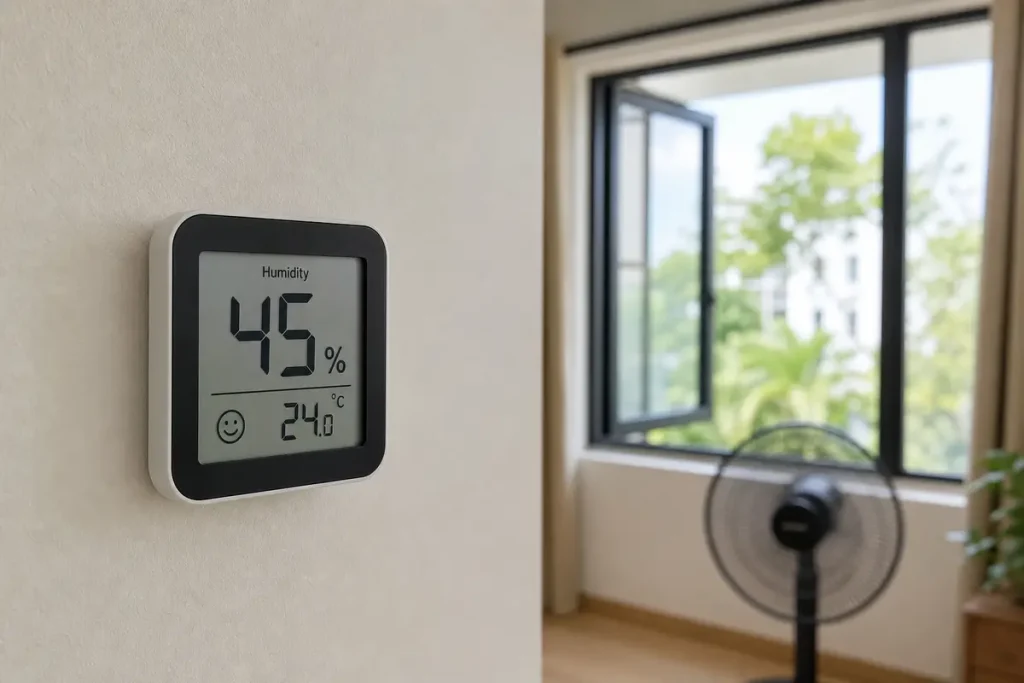
Start by using fans and heaters to circulate air and accelerate evaporation. Consider investing in a high-capacity dehumidifier to maintain ideal humidity control, ideally keeping levels below 60%.
Regularly check humidity levels with a hygrometer to guarantee effective moisture management. Additionally, remove soaked materials promptly, as they can harbor mold growth.
If the situation is extensive, professional water damage restoration services can provide specialized equipment and expertise.
Proper Ventilation Practices
Effective moisture control not only relies on humidity management but also hinges on proper ventilation practices.
You need to make certain your ventilation systems are functioning at their best to promote adequate air circulation throughout affected areas. Start by opening windows and doors when weather permits, allowing fresh air to flow in and moist air to escape.
If possible, utilize fans to enhance air movement, particularly in confined spaces. Dehumidifiers can be invaluable too, as they help reduce humidity levels, making it harder for mold to thrive.
Regularly check filters in your ventilation systems to make sure they’re clean and effective.
Assessing and Cleaning Affected Materials
Evaluating and cleaning materials affected by flooding is crucial to prevent mold growth. Conducting a thorough material assessment helps identify which items can be salvaged and which should be discarded.
Following proper cleaning protocols is imperative to guarantee effectiveness. Here are five key steps to keep in mind:
- Inspect all materials for signs of water damage.
- Separate affected items from unaffected ones to prevent cross-contamination.
- Use appropriate cleaning solutions, such as a mixture of water and detergent.
- Dry cleaned materials completely to inhibit mold growth.
- Dispose of irreparable items responsibly to eliminate potential hazards.
Implementing Proper Ventilation
Proper ventilation is essential in preventing mold growth after flooding, as it helps to reduce humidity levels and promote air circulation in affected areas. You need to prioritize effective airflow management to guarantee that moist air is expelled and replaced with drier air.
Start by evaluating your existing ventilation systems; they should be functioning at peak performance to facilitate this exchange. Use fans strategically to enhance airflow, particularly in enclosed spaces that may remain damp longer. Open windows and doors when possible to allow fresh air to circulate, but monitor outdoor humidity levels.
If necessary, consider dehumidifiers to further lower moisture levels. Regularly check and maintain all ventilation components to prevent any blockages that could hinder performance.
Using Mold-Resistant Products
When you’re dealing with the aftermath of flooding, using mold-resistant products can greatly reduce the risk of mold growth in your home.
These products are designed to inhibit mold development, giving you peace of mind.
Consider incorporating the following options into your restoration efforts:
- Mold-resistant coatings for walls and ceilings
- Mold prevention materials in flooring and carpets
- Mold-resistant insulation for attics and crawl spaces
- Anti-microbial sealants for bathrooms and kitchens
- Mold-resistant drywall in vulnerable areas
Regular Monitoring and Maintenance Strategies
To effectively prevent mold growth after flooding, regular monitoring and maintenance are essential components of your strategy. Start by establishing a routine for regular inspections of affected areas. This allows you to identify any signs of moisture or mold early, preventing larger issues down the line.
Create maintenance schedules that include tasks like checking for leaks, guaranteeing proper ventilation, and cleaning gutters to divert water away from your home.
Incorporate humidity checks, aiming to keep indoor levels below 60%. Utilize dehumidifiers in damp areas and confirm that air conditioning units are functioning efficiently.
Engaging family members in these tasks fosters a sense of community and shared responsibility. By adhering to these regular inspections and maintenance schedules, you’ll not only protect your home but also create a healthier environment for everyone.
It’s all about staying proactive and informed in your mold prevention efforts.
Mold growth can begin within 24 to 48 hours after flooding. In the flood aftermath, moisture creates a perfect environment for mold spores to thrive, emphasizing the importance of swift and effective cleanup efforts.
You can tackle DIY mold removal, but hiring professional services often guarantees thoroughness and safety. Weigh your skills and the severity of the infestation; sometimes, it’s best to leave it to the experts.
Mold exposure can cause various health effects, including respiratory issues, skin irritation, and allergic reactions. You might experience mold symptoms like coughing, sneezing, or headaches, especially if you’re sensitive or have pre-existing health conditions.
To guarantee mold’s completely removed, conduct mold testing and perform a thorough visual inspection. Look for discoloration, musty odors, and moisture. Trust your senses and the tests to confirm a safe, healthy environment.
You should use mold resistant paints and moisture barriers to effectively prevent mold growth. These products help create an environment that discourages moisture accumulation, reducing the likelihood of mold resurgence in your space.
Don’t risk further damage to your property. Bear Restoration‘s ‘s IICRC-certified team is available 24/7 for emergency restoration in Louisville, KY and surrounding areas.
Learn about our Mold Remediation service →

Read Our Reviews