
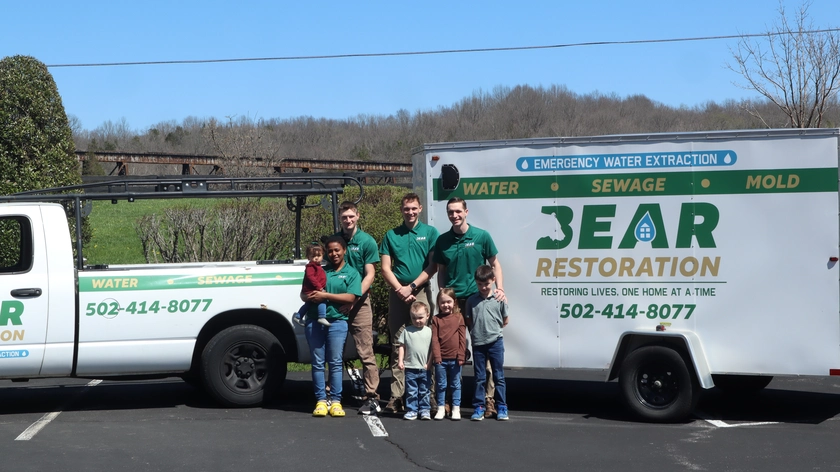
Sewage backup cleanup is critical for health, safety, and property integrity. Ignoring it can lead to serious health risks and costly damages. Contaminated water harbors pathogens and toxins that can linger long after the initial incident. By understanding the immediate steps to take and the value of professional services, you can protect your home and family. What happens if these issues are left unresolved?
Key Takeaways
- Prioritizing sewage backup cleanup protects health by reducing exposure to harmful pathogens and contaminants present in sewage.
- Swift restoration mitigates property damage, preserving structural integrity and preventing costly repairs or depreciation in property value.
- Professional cleanup services ensure safe and effective removal of hazardous materials, minimizing health risks during the remediation process.
- Timely action prevents lingering odors and potential mold growth, contributing to a healthier living environment for occupants.
- Implementing preventative measures after cleanup can safeguard against future backups, ensuring long-term peace of mind for homeowners.
Understanding the Dangers of Sewage Backup
When you experience a sewage backup, it’s essential to understand the potential hazards it poses to your health and property. Sewage backups can lead to extensive damage, compromising the structural integrity of your home and threatening your belongings.
Implementing sewage prevention methods, such as regular maintenance of your plumbing and proper disposal of waste, can greatly reduce the risk of a backup. Additionally, investing in backup detection systems can alert you to issues before they escalate, allowing for timely intervention.
These proactive measures protect your property and foster a sense of community responsibility. By prioritizing these strategies, you contribute to a safer environment for yourself and your neighbors.
Understanding these dangers empowers you to take necessary actions, ensuring your home remains a sanctuary rather than a source of distress. Awareness, prevention, and action are essential in managing the complexities of sewage-related issues.
Health Risks Associated With Contaminated Water
When dealing with contaminated water from sewage backups, you’re at risk of exposure to harmful pathogens that can lead to serious infections.
Additionally, chemical contaminants present in the water can pose significant health hazards, affecting your respiratory and neurological systems.
It’s essential to understand these risks, as they may result in long-term health effects that could impact your quality of life.
Pathogen Exposure Concerns
Although sewage backups may seem like a mere inconvenience, they pose significant health risks due to pathogen exposure from contaminated water. When you’re exposed to such water, you increase your chances of pathogen transmission, which can lead to serious illnesses.
Common exposure symptoms include nausea, diarrhea, and skin infections, which can quickly escalate if not addressed. It’s essential to recognize that pathogens thrive in sewage, making any contact potentially harmful.
By prioritizing cleanup and restoration, you safeguard your health and protect your loved ones and community. Understanding these risks highlights the importance of acting swiftly to prevent long-term health issues.
Don’t underestimate the dangers—taking action can help maintain a safe living environment for everyone.
Chemical Contaminant Risks
How do chemical contaminants in sewage pose health risks?
When sewage backs up, you may encounter various contamination sources, including industrial waste, household chemicals, and pharmaceuticals. These substances can lead to harmful chemical exposure, impacting your health and that of your loved ones.
Ingesting or coming into contact with contaminated water can result in immediate symptoms like skin irritation and gastrointestinal issues, while long-term exposure may contribute to more severe health problems.
The risk of inhaling toxic fumes during cleanup is also significant, especially if proper safety measures aren’t taken.
Understanding these risks highlights the importance of prioritizing sewage backup cleanup and restoration to protect your environment and overall well-being.
Don’t underestimate the dangers lurking in contaminated water.
Long-term Health Effects
Chemical contaminants in sewage can lead to serious long-term health effects that often go unnoticed until it’s too late. Exposure to these pollutants can result in chronic illness and respiratory issues that affect your quality of life.
Consider these potential risks:
-
Persistent gastrointestinal problems that disrupt daily activities
-
Skin irritations or infections that linger and worsen over time
-
Chronic respiratory issues from inhaling contaminated air
-
Neurological disorders linked to toxic exposure
-
Increased susceptibility to infections due to weakened immunity
Ignoring sewage backup cleanup means risking these hidden health dangers.
Prioritizing restoration isn’t just about property; it’s about safeguarding your health and ensuring a safe environment for you and your loved ones.
Don’t wait until it’s too late.
Immediate Steps to Take After a Sewage Backup
After a sewage backup, your first priority is to ensure everyone’s safety.
Evacuate the area if necessary and avoid contact with contaminated water.
Once you’ve secured the environment, call professionals immediately to handle the cleanup and prevent further health risks.
Ensure Safety First
When a sewage backup occurs, ensuring your safety is paramount before any cleanup begins.
Follow these safety protocols for immediate emergency preparedness:
-
Turn off electrical supplies to avoid electrocution risks.
-
Wear protective gear like gloves, masks, and boots to shield yourself.
-
Evacuate all occupants from the area to prevent health hazards.
-
Seal off affected areas to prevent contamination spreading.
-
Avoid contact with contaminated materials until professionals can assess the situation.
Call Professionals Immediately
Since a sewage backup poses serious health risks and potential property damage, it’s crucial to call professionals immediately.
Their emergency response teams are trained to handle hazardous situations efficiently. You might feel overwhelmed, but reaching out for help is the best first step.
Professionals conduct a thorough professional assessment to determine the extent of the damage and identify any health hazards. They possess the necessary tools and expertise to manage the cleanup process safely, ensuring your space is restored without compromising your well-being.
The Importance of Professional Cleanup Services
While some may consider tackling sewage backup cleanup on their own, hiring professional services is essential for ensuring thorough restoration and safety. The intricate nature of sewage contamination demands professional expertise and advanced restoration techniques that most individuals lack.
By choosing professionals, you gain access to:
- Specialized equipment that effectively removes waste
- Extensive assessments to prevent future issues
- Safe disposal methods for hazardous materials
- Skilled personnel trained in biohazard protocols
- Timely response to mitigate further damage
These services protect your health and preserve your property.
Professionals understand the complexities involved in sewage cleanup and can execute a plan tailored to your specific situation. Their experience allows them to identify potential hazards and address them efficiently, ensuring a safe living environment for you and your family.
Prioritizing professional cleanup services is a crucial step in safeguarding your home and well-being.
Effective Techniques for Sewage Cleanup and Restoration
Effective techniques for sewage cleanup and restoration are fundamental for ensuring safety and preventing long-term damage. Start by evaluating the area to determine the extent of the contamination. Use personal protective equipment (PPE) to safeguard yourself during the cleanup process.
Then, apply effective cleanup techniques such as removing standing water, disposing of contaminated materials, and thoroughly disinfecting surfaces. It’s essential to employ industrial-grade cleaners and specialized equipment for best results.
Once the initial cleanup is complete, focus on restoration processes. This involves drying out the affected areas to prevent mold growth, repairing any structural damage, and replacing contaminated materials like carpets and drywall.
You should also consider using air purifiers to improve indoor air quality. These techniques help restore your space and ensure a healthier environment for you and your loved ones. Prioritizing these steps is critical for successful sewage cleanup and restoration.
Preventative Measures to Avoid Future Sewage Issues
To prevent future sewage issues, it’s crucial to implement proactive measures that safeguard your plumbing system and property. By focusing on preventative maintenance and scheduling regular inspections, you can catch potential problems before they escalate.
Consider these key actions:
- Install grease traps in kitchens to prevent clogs.
- Use drain screens to catch hair and debris.
- Avoid flushing inappropriate items like wipes or feminine products.
- Schedule annual plumbing inspections to identify wear and tear.
- Educate your household on proper waste disposal practices.
These strategies protect your home and foster a sense of community responsibility.
By prioritizing these measures, you contribute to a healthier environment for everyone.
Plus, staying proactive can save you time, money, and stress in the long run.
Long-term Impact of Sewage Backup on Property Value
Sewage backups can greatly diminish your property’s value, especially if left unaddressed. The long-term impact of such events often leads to significant property depreciation.
When potential buyers learn about past sewage issues, their perception shifts, making them hesitant to invest in a home with a troubled history. This negative market perception can linger, even after cleanup and restoration, as buyers may worry about lingering odors or structural damage.
Furthermore, the cost of remediation can be substantial, and if not handled swiftly, it can escalate, causing further value loss. Properties with a history of sewage backups may end up on the market longer, which only compounds the issue.
Ultimately, prioritizing cleanup and restoration isn’t just about immediate health risks; it’s also about safeguarding your investment. By addressing sewage backups promptly, you can help maintain your property’s value and ensure a positive perception among potential buyers.
You can identify signs of a sewage backup early by noticing sewage odors, slow draining sinks, gurgling toilets, or recurring plumbing issues. Address these symptoms promptly to prevent further damage and health risks.
Think of sewage insurance as your fortress against unwanted invaders. Most policies cover damages, but you must check coverage limits. Some might exclude sewage backups, so ensure your plan protects your home and peace of mind.
Sewage cleanup usually takes 1 to 3 days, depending on the extent of contamination. Addressing sewage contamination promptly is essential to minimize health risks and ensure your home’s safety and comfort. Don’t delay the process.
You might consider handling sewage backup cleanup yourself, but DIY cleanup challenges and sewage health risks can pose serious threats. It’s wise to weigh the risks against your ability before deciding to proceed independently.
Professional sewage restoration services typically range from $1,000 to $5,000, depending on the extent of damage. Restoration expenses can vary greatly, so it’s essential to compare service pricing and understand what’s included in the estimate.
Don’t risk further damage to your property. Bear Restoration‘s IICRC-certified team is available 24/7 for emergency restoration in Louisville, KY and surrounding areas.
Learn about our Sewage Backup Cleanup service →

Read Our Reviews