
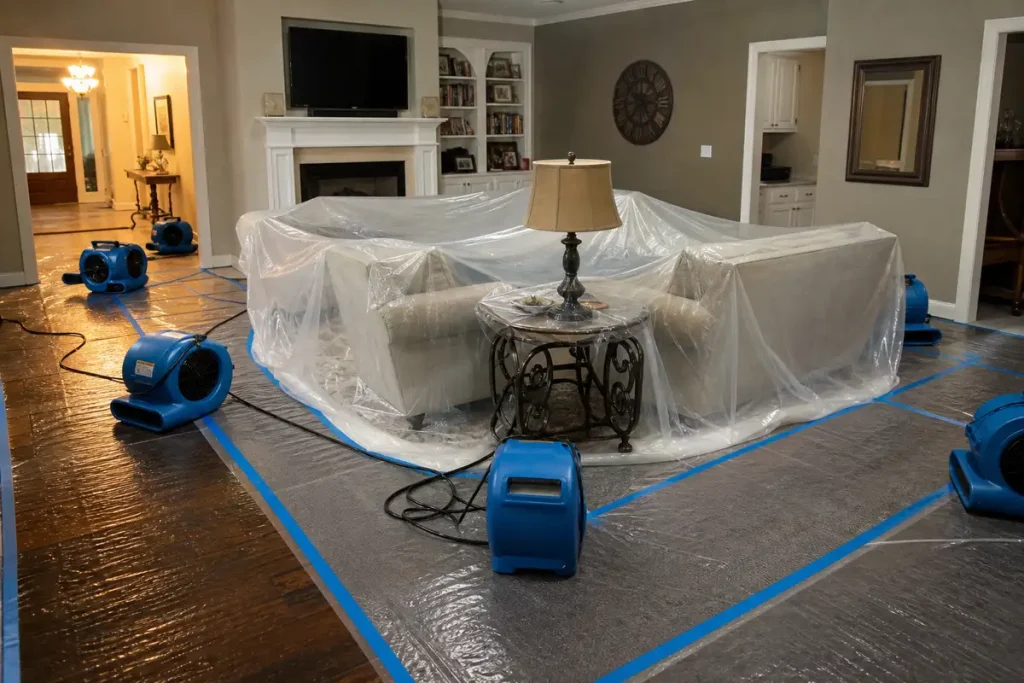
When your home faces flooding, acting quickly is vital to minimize damage and prevent health risks. You’ll need to assess the severity of the water damage and gather essential drying equipment. Understanding the right flooded home drying steps to take can make a significant difference in the outcome. As you navigate this process, consider how moisture levels can impact your home long-term, and explore effective strategies that guarantee thorough drying and When your home faces flooding, acting quickly is vital to minimize damage and prevent health risks. You’ll need to assess the severity of the water damage and gather essential drying equipment. As you navigate this process, consider how moisture levels can impact your home long-term, and explore effective strategies that guarantee thorough drying and mold prevention….
Key Takeaways
- Immediately remove standing water using a wet/dry vacuum and ensure safety before entering affected areas.
- Utilize dehumidifiers and fans to expedite drying and maintain humidity levels below 60%.
- Inspect and monitor moisture levels in walls and floors to identify hidden pockets of moisture.
- Engage professional services for thorough inspections and effective drying solutions to prevent mold growth.
- Thoroughly clean and disinfect all surfaces in contact with floodwater to mitigate health risks.
Understanding the Importance of Prompt Drying
When your home suffers from flooding, you mightn’t realize just how crucial prompt drying is to prevent further damage. Effective flood response hinges on the immediate implementation of drying techniques.
If you don’t act quickly, moisture can seep into walls, flooring, and belongings, leading to mold growth and structural issues.
Utilizing dehumidifiers and fans can accelerate the drying process, while removing soaked materials guarantees you’re tackling the problem head-on.
Remember, the longer you wait, the more extensive and costly repairs can become.
It’s not just about drying out your space; it’s about preserving your home and everything in it. You deserve a safe, healthy environment, and taking swift action can help you achieve that.
Assessing Water Damage Severity
When you assess water damage severity, it’s essential to identify the type of water involved—clean, gray, or black—as this impacts the necessary response.
Look for signs like discoloration, mold growth, or structural warping, which indicate escalating damage.
Understanding these factors will help you determine the urgency of your drying solutions.
Types of Water Damage
Understanding the types of water damage is essential for evaluating its severity and determining the appropriate response. Different flood classifications help in your damage assessment, guiding you through the necessary steps.
Here are four common types of water damage you may encounter:
- Clean Water Damage: From burst pipes or rain, it’s generally less harmful but still needs prompt attention.
- Gray Water Damage: Contains contaminants from sources like dishwashers, requiring careful handling.
- Black Water Damage: Comes from sewage or floodwaters, posing serious health risks and needing immediate professional help.
- Structural Damage: Involves the integrity of your home, impacting walls, floors, and foundations.
Recognizing these types guarantees you can act swiftly and protect your home and loved ones.
Signs of Severity
As you assess water damage, recognizing the signs of severity can make a significant difference in your response. Start by identifying flood indicators, such as stained walls, warped floors, or musty odors. These can signal deeper issues, like mold growth or structural compromise.
Pay attention to the duration of exposure; prolonged water contact increases damage severity. Conduct a thorough water assessment, checking hidden areas like basements or behind appliances. If you notice bubbling paint or damp insulation, it’s essential to act quickly.
Essential Equipment for Effective Drying
To effectively dry your flooded home, you’ll need the right equipment tailored to combat moisture.
Dehumidifiers will help you remove excess water from the air, while fans create essential air circulation to promote drying.
Additionally, infrared heaters can accelerate the process by warming surfaces and helping moisture evaporate more quickly.
Dehumidifiers for Moisture Removal
When your home suffers water damage, dehumidifiers become indispensable allies in the battle against lingering moisture. These machines are essential for effective moisture control, offering various dehumidifier types to suit your needs.
Here’s what to take into account:
- Refrigerant Dehumidifiers: Ideal for warmer spaces, they cool air to extract moisture.
- Desiccant Dehumidifiers: Perfect for colder areas, they use a chemical process to absorb moisture.
- Whole-House Dehumidifiers: These integrate with your HVAC system for thorough moisture management.
- Portable Dehumidifiers: Easy to move, they target specific damp areas.
Fans for Air Circulation
Effective drying after a flood often hinges on the use of fans for air circulation.
These fans play a vital role in enhancing airflow dynamics, which is essential for reducing humidity levels and promoting faster drying. You’ll find various fan types suited for different areas of your home.
For instance, high-velocity fans are ideal for large spaces, while smaller, portable fans work well in confined areas.
Positioning fans strategically can create a cross-ventilation effect, directing moisture-laden air out and drawing in drier air.
Infrared Heaters for Drying
Infrared heaters can be a game-changer in your flood recovery efforts. By utilizing infrared technology, these heaters provide exceptional heating efficiency, drying your home more effectively than traditional methods.
Here’s how they can aid your recovery:
- Direct heat application warms surfaces like walls and floors, accelerating moisture evaporation.
- Energy-efficient operation minimizes utility costs while maximizing warmth.
- Silent functionality guarantees a peaceful recovery environment, allowing you to focus on rebuilding.
- Portability makes it easy to move the heater to different areas as needed.
With infrared heaters, you’re not just drying your home; you’re creating a safe, cozy space for you and your loved ones to heal.
Invest in this essential equipment to restore your comfort and peace of mind.
Steps for Immediate Water Removal
Act quickly to mitigate damage in your flooded home by following a few essential steps for immediate water removal.
Start your emergency response by evaluating the situation; determine the source of the water and verify it’s safe to enter. Once it’s safe, gather your equipment—preferably a wet/dry vacuum for efficient water extraction. If you don’t have one, consider renting or borrowing from neighbors.
Remove any furniture or belongings from the affected area to prevent further damage.
Begin vacuuming the water, focusing on the most flooded sections first. If the water level is high, you may need to use a sump pump for quicker removal.
Don’t forget to check for hidden pockets of water, especially in walls and flooring.
After removing standing water, open windows and doors to promote airflow. These immediate actions can greatly reduce the potential for mold and structural damage in your cherished home.
Utilizing Dehumidifiers for Optimal Results
Once you’ve removed the standing water from your flooded home, using dehumidifiers becomes essential in restoring a safe and dry environment.
Choosing the right dehumidifier is pivotal for effective drying. Keep energy efficiency in mind to minimize utility costs while maximizing performance.
Consider these factors for ideal dehumidifier selection:
- Capacity: Match the unit size to the space you’re drying.
- Portability: Look for models with wheels for easy movement.
- Humidity Control: Choose units with adjustable settings for precise moisture control.
- Filter Maintenance: A washable filter keeps your air clean and the unit running efficiently.
Using dehumidifiers not only speeds up the drying process but also helps prevent mold growth, allowing you to create a safe, welcoming home again.
Structural Drying Techniques and Methods
While restoring a flooded home, understanding effective structural drying techniques and methods is essential for preventing long-term damage.
You’ll want to utilize advanced drying methods such as air movers and thermal imaging to assess moisture levels behind walls and floors. Directing airflow towards damp areas accelerates evaporation, essential for reducing moisture content.
Consider employing restoration techniques like the “injectidry” method, which uses specialized equipment to inject warm, dry air into wall cavities. This technique can notably expedite drying while minimizing demolition.
Additionally, using desiccant dehumidifiers can help absorb moisture from the air more efficiently in enclosed spaces.
Monitoring Moisture Levels During the Process
As you navigate the complexities of drying a flooded home, consistently monitoring moisture levels is essential to guarantee a thorough restoration.
Using moisture meters and humidity sensors will help you track the drying progress and identify areas that need further attention.
Here’s what you should keep an eye on:
- Wall and floor readings to catch hidden moisture pockets
- Air humidity levels to verify the environment supports drying
- Material saturation to assess the effectiveness of your drying efforts
- Temperature fluctuations to optimize drying conditions
Regularly checking these factors not only aids in the drying process but also fosters a sense of control during this challenging time.
Preventing Mold Growth After a Flood
After addressing moisture levels and guaranteeing your home is drying effectively, it’s vital to focus on preventing mold growth, which can begin within 24 to 48 hours in damp conditions.
Implementing mold prevention strategies is essential for safeguarding your home and health. Start by thoroughly cleaning and disinfecting surfaces that were in contact with floodwater, using a mixture of water and detergent.
Confirm proper ventilation by opening windows and using fans to circulate air, reducing humidity levels.
Conduct post flood inspections regularly to identify any signs of mold or moisture accumulation. Pay close attention to hidden areas, such as behind walls and under carpets.
If you notice a musty smell or discoloration, act quickly. Consider using dehumidifiers to maintain ideal humidity levels below 60%.
Professional Services vs. DIY Solutions
When deciding between professional services and DIY solutions for drying out your flooded home, it’s crucial to weigh your options carefully.
While DIY approaches might seem cost-effective, they often come with considerable DIY risks. A professional assessment can provide the expertise needed to mitigate these risks effectively.
Consider the following factors:
- Specialized Equipment: Professionals use commercial-grade dehumidifiers and blowers to expedite drying.
- Thorough Inspection: Experts identify hidden water sources and structural damage that DIY efforts might miss.
- Mold Prevention: Professionals understand moisture control, greatly reducing mold growth risks.
- Insurance Coordination: They can assist in managing insurance claims, making the process smoother for you.
Ultimately, while DIY solutions might offer a quick fix, engaging professionals guarantees a thorough, safe, and efficient drying process for your home, giving you peace of mind during a challenging time.
Typically, drying a flooded home takes 3 to 7 days, depending on factors like moisture removal efficiency and environmental conditions. You’ll want to monitor progress closely to guarantee your home returns to a safe environment.
You shouldn’t stay in your home during the drying process. Staying safe is essential, as certain drying methods can release harmful mold spores. Prioritize your health and seek temporary accommodations until the space is completely dry.
You’ll find flood insurance typically covers damage repairs, but it’s essential to review your policy details. Understanding your damage coverage can guarantee you’re adequately protected during recovery, helping you feel secure in your home again.
Think of your home as a fortress; solid drainage systems and effective waterproofing solutions are your best defenders. Regular maintenance, proper landscaping, and sealing cracks will help keep water at bay, ensuring your sanctuary remains dry.
Floodwater exposure can expose you to waterborne pathogens and promote mold growth, leading to respiratory issues and infections. It’s essential to address these risks promptly to safeguard your health and create a safe living environment.
Don’t risk further damage to your property. Bear Restoration‘s ‘s IICRC-certified team is available 24/7 for emergency restoration in Louisville, KY and surrounding areas.
Learn about our Structural Drying Services service →

Read Our Reviews