
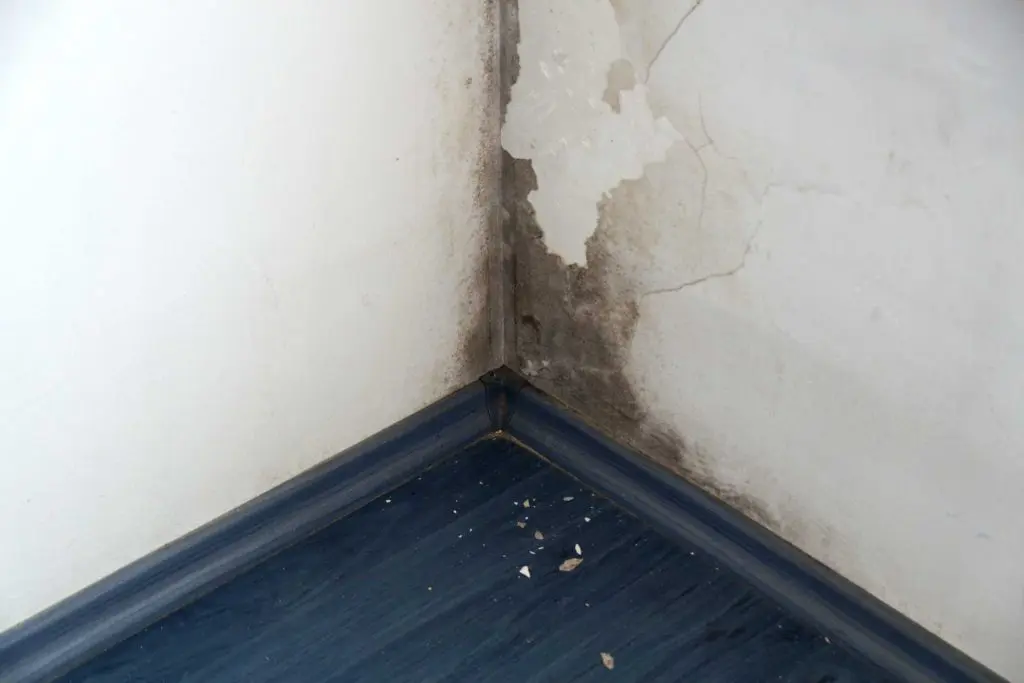
A musty smell near the basement stairs, dark staining along a foundation wall, or a patch of fuzzy growth behind stored boxes can be the first sign of a larger moisture problem.
Basements naturally sit below or partly below ground, which makes them more vulnerable to damp conditions than many other areas of a home. In Louisville, humid weather can add even more moisture to these spaces, particularly when ventilation or moisture control is limited.
Mold does not appear without a moisture source. Finding out why the basement is damp is therefore just as important as removing visible growth. If mold has already developed, professional basement mold removal in Louisville, KY should address both the contamination and the water or humidity problem allowing it to grow.
Why Is Mold Common in Louisville Basements?
Basement mold develops when moisture, suitable temperatures, and organic materials remain together long enough for mold to grow.
Here in Louisville, humid conditions can make moisture control especially important in basements and other below-grade areas. We frequently see moisture-related issues affecting basements, crawl spaces, and other lower-level areas where dampness can linger.
Basements also contain many materials mold can grow on, including:
- Drywall
- Wood framing
- Paper backing
- Carpet and carpet padding
- Stored cardboard
- Ceiling tiles
- Insulation
- Dust and organic debris
Concrete itself does not provide much food for mold, but dirt, dust, paint, wood, paper, or other material on the concrete surface can support growth when moisture is present.
The real question is usually not simply, “Why is there mold?” It is where is the moisture coming from?
High Humidity Can Create Mold-Friendly Conditions
Excess basement humidity can allow surfaces and building materials to remain damp even when there is no obvious plumbing leak or flood.
Warm, humid outdoor air can enter a cooler basement through doors, windows, cracks, or ventilation openings. When that air cools, the amount of moisture the air can comfortably hold decreases. The result may be a basement that feels clammy or smells musty even though there is no standing water.
Common signs of excess basement humidity include:
- Condensation on pipes or windows
- Damp walls or floors
- A persistent musty odor
- Rust on metal surfaces
- Warped cardboard boxes
- Damp fabrics or stored belongings
- Recurring mold on walls, furniture, or floor joists
A dehumidifier may help manage normal seasonal humidity, but recurring mold can indicate that a larger moisture problem needs to be identified.
Foundation Leaks Can Allow Water Into the Basement
Cracks or gaps in a foundation can allow groundwater or rainwater to enter the basement and create damp areas where mold can develop.
Water intrusion may be obvious during heavy rain, but small foundation leaks can be much harder to notice.
Look for:
- Damp patches along foundation walls
- Water stains
- White mineral deposits
- Peeling paint
- Discoloration near cracks
- Wet flooring near exterior walls
- Mold concentrated in one part of the basement
Water may also travel behind finished basement walls before becoming visible.
This is one reason a mold inspection in Louisville can be helpful when there is a musty odor or signs of moisture but no obvious mold growth. Our mold inspection process can include moisture meters and thermal imaging to help identify damp areas hidden behind finished materials.
Poor Exterior Drainage Can Contribute to Basement Moisture
Water should move away from a home’s foundation rather than collect beside it. When drainage around the property is poor, water can place additional pressure on basement walls and find its way through cracks, joints, or other openings.
Potential drainage problems include:
- Clogged gutters
- Damaged downspouts
- Downspouts releasing water too close to the foundation
- Soil sloping toward the house
- Water pooling beside foundation walls
- Failed or inadequate drainage systems
If basement mold repeatedly appears after heavy rain, the problem may begin outside the home rather than inside it. Cleaning visible mold without fixing the drainage or water-entry issue may only provide temporary improvement.
Plumbing Leaks Can Cause Hidden Basement Mold
Slow plumbing leaks can create mold behind walls, beneath flooring, around utility areas, or below bathrooms without producing a large visible puddle.
Basements often contain water heaters, washing machines, plumbing lines, drain pipes, utility sinks, and other equipment capable of leaking. Even a small drip can become a problem when it continues unnoticed.
Potential warning signs include:
- Staining around pipes
- Soft drywall
- Swollen baseboards
- Damp flooring
- Rust or corrosion
- Unexplained increases in moisture
- Musty odors near utility areas
- Mold concentrated around one plumbing fixture
If mold returns after surface cleaning, an active leak should always be considered as a possible cause.
Previous Flooding or Water Damage Can Leave Moisture Behind
Mold can develop after basement flooding when water is removed but drywall, insulation, flooring, wood framing, or other materials remain damp. Removing standing water is only one part of recovering from a basement flood.
Water can move into:
- Wall cavities
- Insulation
- Subflooring
- Carpet padding
- Wood framing
- Finished wall systems
- Stored belongings
Materials may look dry on the surface while moisture remains inside them.
This is why structural drying and moisture monitoring are important after significant water damage. As part of our remediation process, we use drying equipment such as LGR dehumidifiers and air movers to help reduce remaining moisture and address the conditions supporting mold growth.
Condensation Can Look Like a Leak
Sometimes basement moisture does not come from rain or a broken pipe. Condensation forms when humid air contacts a cooler surface, causing water vapor to turn into liquid moisture. Common basement condensation areas include:
- Cold-water pipes
- HVAC equipment
- Ductwork
- Foundation walls
- Basement windows
- Concrete floors
A sweating pipe may not be leaking at all, but the repeated moisture around it can still create damp conditions. Insulation, humidity control, improved airflow, or other moisture-control measures may be needed depending on the cause.
Poor Airflow Can Allow Moisture to Linger
Basements often receive less natural airflow than upper floors. Furniture pushed tightly against exterior walls, crowded storage areas, closed rooms, or poorly ventilated finished basements can create pockets where damp air remains trapped.
Mold may then appear:
- Behind furniture
- Inside closets
- Behind boxes
- Around stored fabrics
- Along wall corners
- Beneath stairs
- Around unfinished framing
Leaving some space between stored belongings and foundation walls can help improve airflow and make moisture problems easier to spot. However, ventilation alone will not solve mold caused by a leak, foundation problem, or recurring water intrusion.
Sump Pump Problems Can Lead to Basement Water Damage
A sump pump is designed to help remove water that collects beneath or around a foundation. When the pump fails, loses power, becomes clogged, or cannot keep up with incoming water, moisture may enter the basement.
Problems can also happen when:
- The discharge line is blocked
- The discharge point sends water back toward the home
- The sump basin overflows
- The pump is improperly sized
- Backup protection is unavailable during an outage
After a sump pump failure or basement flood, the affected area should be dried thoroughly rather than simply having visible water removed.
How Can You Tell if Mold Is Hidden in Your Basement?
Hidden basement mold may be suspected when a persistent musty odor, moisture damage, staining, warped materials, or previous water damage is present even though visible growth is limited.
Some of the most common warning signs are:
- Musty or earthy odors
- Bubbling or peeling paint
- Dark staining
- Soft drywall
- Swollen wood trim
- Warped flooring
- Damp carpet
- Discolored ceiling tiles
- Recurring humidity
- Evidence of old water leaks
Mold can sometimes develop behind finished drywall, beneath flooring, or around insulation.
During a Mold Inspection Louisville property owners can use to identify hidden concerns, our team may use moisture meters and thermal imaging to locate water behind walls, beneath flooring, or above ceiling materials.
What Does Professional Basement Mold Remediation Involve?
Professional mold remediation is a controlled process designed to identify moisture, contain affected areas, remove or clean contaminated materials, dry the structure, and reduce the chance of mold returning.
Our mold remediation process follows the IICRC S520 standard and uses a structured, multi-stage approach.
Inspection and Moisture Mapping
The first step in our process is identifying both the mold contamination and the moisture source. We use moisture meters and thermal imaging cameras to locate moisture behind walls, underneath flooring, and in other areas that may not be immediately visible. Finding the source is critical. Removing mold without correcting the conditions supporting it can allow the problem to return.
Containment of the Work Area
Our remediation process is designed to limit the movement of mold spores and debris into unaffected areas. We use plastic containment barriers along with HEPA-filtered negative air equipment to create a controlled work area while contaminated materials are cleaned or removed.
Removal of Damaged Materials
Some porous materials affected by significant mold growth may need to be removed rather than cleaned.
Depending on the conditions, these may include:
- Drywall
- Insulation
- Carpet padding
- Wood trim
- Other damaged porous materials
We contain materials that need to be removed for proper disposal, while appropriate hard surfaces may be cleaned in place.
HEPA Cleaning and Surface Treatment
After contaminated materials have been addressed, remaining surfaces may require specialized cleaning. Our process can include HEPA vacuuming and appropriate antimicrobial cleaning products based on the affected material and the conditions we find.
Drying and Moisture Control
Removing mold without addressing moisture leaves the underlying problem unresolved. We use LGR dehumidifiers and air movers as part of the drying process and focus on correcting the moisture conditions that allowed mold to develop in the first place. Depending on the property, this may involve addressing plumbing leaks, foundation water intrusion, drainage problems, sump pump issues, or excess humidity.
Final Inspection
Once remediation and drying are complete, we perform a final walkthrough of the affected area. For larger projects or when required by an insurance company, third-party clearance testing may also be used to confirm that the remediation work has been completed appropriately.
How Can You Help Prevent Mold From Returning?
Once mold is removed, keeping the basement dry becomes the priority.
Practical moisture-control steps include:
- Repair plumbing leaks promptly
- Keep gutters and downspouts clear
- Direct exterior drainage away from the foundation
- Monitor basement humidity
- Use appropriate dehumidification when necessary
- Address foundation cracks or water intrusion
- Maintain the sump pump
- Avoid storing cardboard directly against damp walls
- Leave room for airflow around stored belongings
- Investigate musty odors instead of masking them
- Dry wet materials after leaks or flooding
- Check finished basement areas for signs of hidden moisture
A basement does not need to be completely flooded to develop mold. Persistent dampness can be enough to create a recurring problem.
Frequently Asked Questions
Why Does Mold Keep Coming Back in My Basement?
Basement mold usually returns because moisture is still present. High humidity, plumbing leaks, foundation seepage, condensation, drainage problems, or materials that were never fully dried can allow new growth to develop. Successful remediation should therefore address both the mold and the source of moisture.
Do I Need a Mold Inspection Before Mold Removal?
A mold inspection can help determine the extent of the problem and identify moisture that may not be visible. This can be especially useful when there is a musty odor, previous water damage, or signs of mold behind finished walls or flooring.
Can Mold Grow Behind Basement Drywall?
Yes. Mold can develop behind basement drywall when moisture enters the wall cavity through leaks, condensation, flooding, or foundation water intrusion. Because the growth may not be visible from the finished side of the wall, staining, soft drywall, odors, or moisture readings may be the first warning signs.
Is Basement Mold Removal the Same as Mold Remediation?
Mold removal refers to removing visible contamination, while mold remediation is a broader process that also addresses containment, contaminated materials, cleaning, drying, and moisture control. For recurring basement problems, addressing the moisture source is an essential part of long-term remediation.
When Should I Call a Mold Remediation Company?
Professional remediation should be considered when mold covers a significant area, returns after cleaning, involves hidden spaces, follows major water damage, or affects porous building materials. Professional assessment is also useful when the cause or full extent of the moisture problem is unclear.
Final Thoughts on Basement Mold Removal in Louisville, KY
Basement mold is ultimately a moisture problem. High humidity, foundation seepage, plumbing leaks, poor drainage, flooding, condensation, and limited airflow can all create the damp conditions mold needs to grow. Removing what you can see without finding the source may leave the real problem behind.
If you notice visible mold, a persistent musty odor, damp building materials, or signs of hidden water damage, our team can inspect the affected area, identify moisture concerns, and determine the appropriate next steps. For professional basement mold removal, contact our team to schedule an inspection and start addressing the problem at its source.

Read Our Reviews