
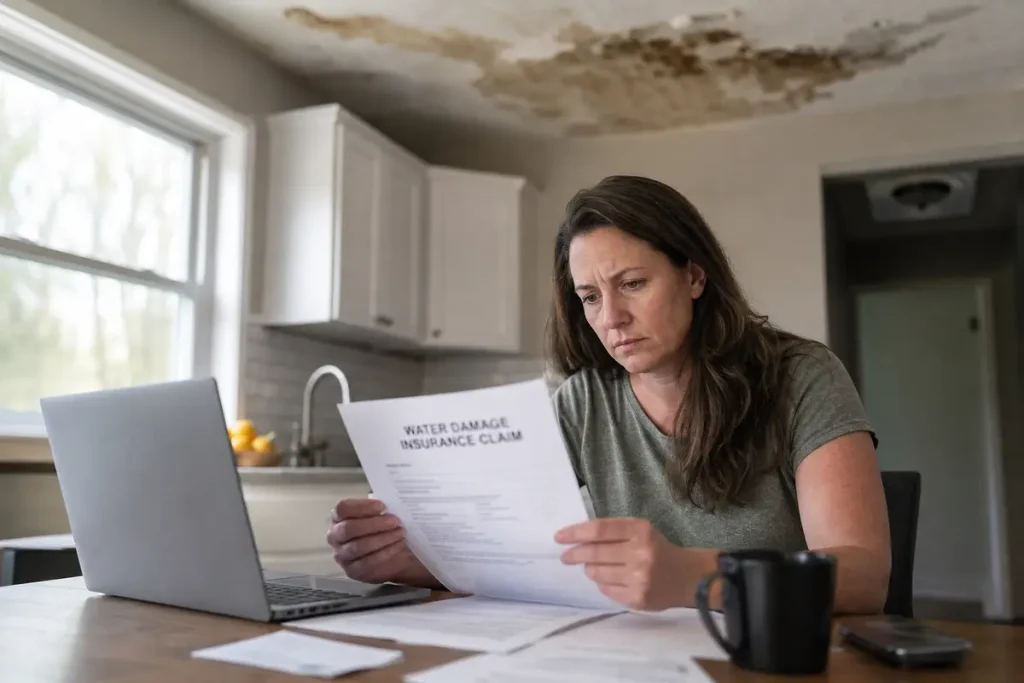
Most people underestimate the complexity of filing water damage insurance claims. It’s not just about reporting the damage; there are specific strategies that can make or break your compensation. Understanding how to document your losses, knowing your policy inside and out, and maintaining communication with your insurer are critical steps. You might be surprised by how these factors can influence your claim’s outcome. Let’s explore these Most people underestimate the complexity of filing water damage insurance claims. Let’s explore these essential tips to improve your chances of success.
Key Takeaways
- Document the damage thoroughly with notes and photos from multiple angles to support your claim effectively.
- Review your insurance policy to understand coverage limits and exclusions related to water damage.
- Communicate promptly with your insurer, providing clear information and maintaining organized records of your conversations.
- Keep track of all expenses related to repairs and clean-up, as receipts will help substantiate your claim.
- Stay proactive by following up regularly with your insurer to ensure your claim progresses smoothly.
Document the Damage Thoroughly
When dealing with water damage, thorough documentation is vital. You should start your damage assessment immediately after the incident, capturing every affected area.
Take detailed notes about the extent of the damage, including descriptions of the items and structures impacted. Photo evidence plays an important role in this process; make sure you take clear, well-lit pictures from multiple angles. This visual documentation supports your claims by providing undeniable proof of the damage.
Don’t forget to document any repairs or clean-up efforts you undertake. Keeping receipts and records of expenses will help bolster your claim.
By maintaining organized documentation, you streamline the claims process and strengthen your position with the insurance company. Remember, the more detailed your records are, the more likely you’ll receive the compensation you deserve.
Staying methodical and thorough now will pay off later when maneuvering your insurance claim.
Understand Your Policy Coverage
Before filing a water damage insurance claim, it’s essential to thoroughly understand your policy coverage. Start by reviewing your policy limits, as these define the maximum amount your insurer will pay for a claim. Knowing these limits helps you gauge how much financial support you can expect, ensuring you won’t be caught off-guard later.
Next, pay close attention to coverage exclusions, which detail circumstances under which your insurance won’t provide support. It’s common for policies to exclude damage from certain sources, like flooding or neglect. Familiarizing yourself with these exclusions can prevent disappointment when you need coverage the most.
If you’re unsure about any aspects of your policy, don’t hesitate to reach out to your insurance agent for clarification. Understanding your coverage is vital in maneuvering the claims process smoothly and effectively, ensuring you’re well-prepared when the time comes to file your claim.
Communicate Promptly With Your Insurer
Understanding your policy coverage sets the stage for effective communication with your insurer. Once you experience water damage, contact your insurer as soon as possible. This prompt communication can greatly influence your claim’s outcome and efficiency. Insurers typically have specific claim timelines, and delays can jeopardize your coverage.
When you reach out, be clear and concise about the damage. Document everything—take photos and keep a record of conversations. This information will serve as your evidence and support your claim.
Always ask your insurer about next steps and any required documentation. Regular follow-ups can help keep your claim on track. If you sense any delays, don’t hesitate to reach out again.
Establishing open lines of communication fosters a sense of belonging in the claims process, ensuring you’re not maneuvering this challenge alone. By staying proactive, you enhance your chances of a successful resolution.
Your insurance typically covers water damage from pipe leaks and, in some cases, flood damage, depending on your policy. Always review your coverage details to understand what’s included any exclusions that may apply.
Filing deadlines for water damage claims typically range from 30 to 90 days. You should start the claim process promptly to ensure you meet your insurer’s requirements and secure the support you need.
Yes, you can hire your own contractor for repairs. Just make certain their estimates align with your insurance coverage. Proper contractor selection can greatly impact repair costs, so choose wisely for best results.
Yes, your claim may lead to premium increases. Insurers often consider your claim history when calculating rates, so filing for water damage could impact your future premiums, especially if multiple claims occur within a short period.
If your claim’s denied, don’t lose heart. Start the appeal process by gathering documentation requirements like photos and reports. Present your case clearly, and you might just turn that “no” into a “yes.”
Don’t risk further damage to your property. Bear Restoration‘s ‘s IICRC-certified team is available 24/7 for emergency restoration in Louisville, KY and surrounding areas.

Read Our Reviews