
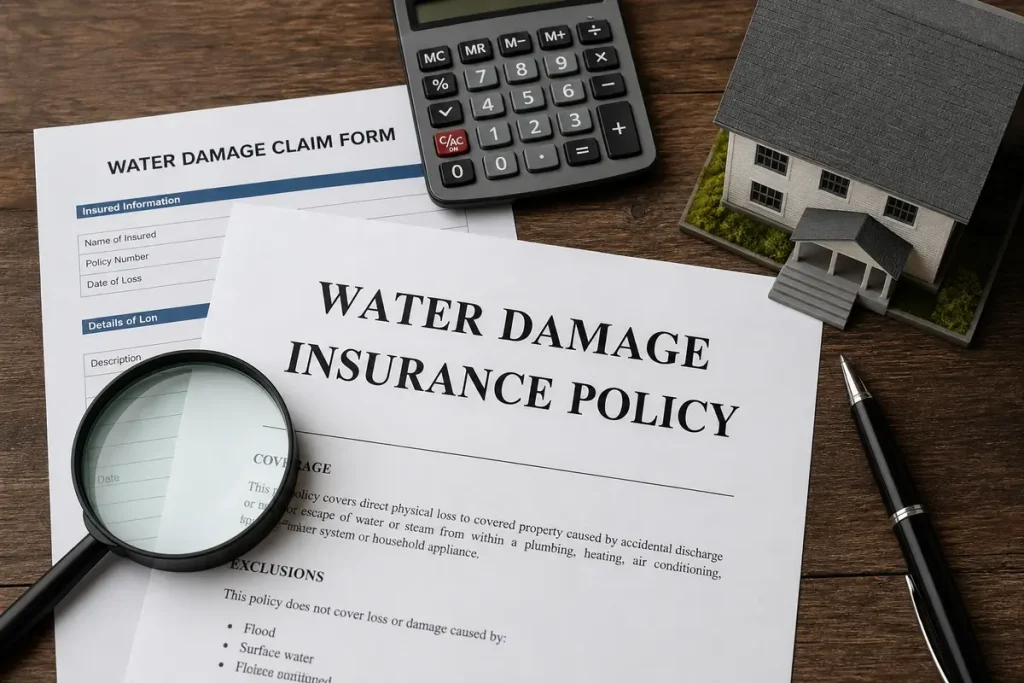
Many homeowners believe that their insurance policy automatically covers all types of water damage. However, the reality is often more complex, with specific scenarios and limits outlined in each policy. Understanding these nuances is essential for protecting your investment. What’s often overlooked are the exclusions that can leave you vulnerable. To navigate this intricate landscape effectively, you’ll need to take into account several key factors that can greatly impact your coverage.Many homeowners believe that their insurance policy automatically covers all types of water damage.
Key Takeaways
- Review your policy type to understand the specific water damage protections and exclusions it offers.
- Identify covered scenarios, such as plumbing leaks, and check for exclusions like flood damage.
- Be aware of coverage limits and maximum payouts to avoid surprises during claims.
- Document all damage thoroughly with photos, lists, and receipts to support your claim.
- Consider additional coverage options like flood insurance or sewer backup coverage for enhanced protection.
Understand Your Policy Type
When you explore your water damage insurance, understanding your policy type is vital, as it directly affects your coverage and claims process.
There are several policy types, each offering different levels of protection. For instance, a standard homeowners policy might cover specific water damage scenarios, while a broader policy could include more extensive coverage.
You’ll want to pay close attention to the coverage limits, as they determine how much you can claim in case of damage. Knowing these limits helps you gauge whether your policy meets your needs or if you should consider upgrading.
Additionally, it’s important to review any exclusions that may apply to your policy type, as these can notably impact your claim’s success.
Identify Covered Water Damage Scenarios
Understanding the specifics of your insurance policy sets the stage for identifying covered water damage scenarios.
First, check if your policy covers flood damage, as many standard plans exclude it. If your home is in a flood-prone area, consider additional flood insurance for thorough protection.
Next, look at plumbing issues. Most homeowners’ insurance policies typically cover sudden and accidental leaks or breaks in plumbing systems. This means if a pipe bursts and causes water damage, you’re likely covered.
However, if the damage results from neglect or lack of maintenance, you may find yourself without support.
Additionally, investigate whether your policy includes coverage for water damage from appliances, such as a washing machine malfunction.
Review Exclusions and Limitations
While you may feel confident about your water damage coverage, it’s essential to scrutinize the exclusions and limitations outlined in your policy. Understanding these aspects can save you from unexpected costs and disappointment when filing a claim.
Pay attention to the following points:
Exclusion Clauses: Identify specific conditions that your policy won’t cover.
Policy Limitations: Know the maximum payout limits for covered damages.
Types of Damage: Be aware of which types of water damage—like flooding—are excluded.
Maintenance Responsibilities: Understand your obligations regarding property upkeep to avoid denial.
Time Limits: Check how long you have to report damage before coverage is voided.
Document Damage Thoroughly
Thorough documentation of water damage is essential for a successful insurance claim. Start by taking clear, high-quality photos of the affected areas. Capture images of the damage from multiple angles and include any items that were impacted. This photo documentation serves as visual evidence for your insurance provider, reinforcing your damage assessment.
Next, make a detailed list of all damaged items, noting their condition and estimated value. If possible, retain receipts or records of previous purchases to support your claims.
Additionally, document the date and time the damage occurred, as well as any immediate actions you took to mitigate further issues.
Notify Your Insurance Provider Promptly
As soon as you’ve documented the damage, it’s essential to notify your insurance provider without delay.
Prompt communication can greatly impact your insurance claim process and ensure a thorough damage assessment. The sooner you inform your insurer, the quicker they can start evaluating your situation.
Here are some key points to keep in mind when notifying your provider:
- Provide clear details about the incident.
- Share your documentation, including photos and notes.
- Specify the types of damage you’ve observed.
- Ask about the next steps in the claims process.
- Inquire about timelines for assessment and payment.
Keep Records of Repairs and Expenses
Keeping detailed records of repairs and expenses is essential for a smooth insurance claims process, especially when dealing with water damage.
You’ll want to maintain thorough repair documentation, which includes receipts, estimates, and invoices from contractors. This evidence validates your claims and helps you avoid disputes with your insurance provider.
Expense tracking is equally important. Keep a log of all related costs, including materials, labor, and any temporary housing if needed.
Organizing these documents in a dedicated folder—digital or physical—ensures you can easily access them when filing your claim.
Consider Additional Coverage Options
After you’ve gathered all necessary documentation for repairs and expenses, it’s wise to explore additional coverage options that can enhance your protection against water damage.
Standard homeowners’ insurance may not cover everything, especially when it comes to specific risks like flooding or sewer backup.
Consider these options to bolster your coverage:
Flood Insurance: Essential if you live in a flood-prone area, as it covers damages caused by rising water.
Sewer Backup Coverage: Protects against damage from sewage overflow, which can be costly and hazardous.
Backup Sump Pump Coverage: Ensures you’re covered for damages if your sump pump fails during heavy rain.
Replacement Cost Coverage: Ensures you receive the full cost to replace damaged items, rather than just their depreciated value.
Extended Coverage Options: Additional policies can address unique risks relevant to your property.
Exploring these options can ensure you’re well-protected against unforeseen water damage.
To appeal a denied water damage claim, gather all claim documentation and carefully follow the appeal process outlined by your insurer. Present your evidence clearly, addressing their concerns to strengthen your case and increase your chances of approval.
Your homeowners policy typically doesn’t cover flood damage; that’s where flood insurance comes in. Understanding your coverage limits is essential, so examine your policy closely and consider additional flood protection for peace of mind.
The waiting period for water damage claims typically varies by insurer, often ranging from 24 hours to several days. Understanding this timeframe can help you navigate the claim process more effectively and manage your expectations.
Mold damages often aren’t covered under your policy due to common insurance exclusions. However, employing mold prevention strategies can help mitigate risks and strengthen your claim should an incident occur. Always review your specific policy details.
You can’t file multiple claims for the same incident. Claim frequency matters, and insurers often require detailed incident documentation. Focus on one exhaustive claim to ensure you’re adequately covered and maintain a good standing with your provider.
Don’t risk further damage to your property. Bear Restoration‘s ‘s IICRC-certified team is available 24/7 for emergency restoration in Louisville, KY and surrounding areas.

Read Our Reviews