A sewage backup is like a storm cloud looming over your home, threatening chaos and damage. When faced with such a situation, swift action is essential to protect your property and health. Understanding the right strategies can make all the difference. How do you assess the damage, guarantee safety, and effectively clean up the mess? The answers lie in systematic approaches that prioritize both immediate action and long-term prevention.
Key Takeaways
- Assess the sewage backup source and extent of damage while ensuring personal protective gear is worn for safety.
- Shut off electricity and water supply to prevent hazards and contain the affected area securely.
- Use a wet/dry vacuum to remove sewage and scrub surfaces with a disinfectant mixture for thorough cleanup.
- Dehumidify the area post-cleanup to inhibit mold growth and ensure proper ventilation throughout the space.
- Implement regular plumbing inspections and maintain yard grading to prevent future sewage backups and ensure long-term safety.
Assessing the Situation Quickly and Safely
When facing a sewage backup, your first step is to assess the situation quickly and safely. Start by identifying the source of the backup; this could be a clogged drain or a broken pipe. Conduct a quick assessment of the affected areas, noting the extent of the damage and any immediate hazards. Confirm you’re equipped with personal protective gear, such as gloves and masks, to minimize health risks.
Next, evaluate the surrounding environment; avoid areas with standing water or contaminated surfaces. If electrical hazards are present, prioritize safety by shutting off power to affected areas.
Document the situation with photos for insurance purposes and notify relevant authorities if necessary. This safe evaluation not only helps protect your health but also aids in efficient cleanup and recovery.
Protecting Yourself and Your Property
When dealing with a sewage backup, prioritizing safety is essential.
You’ll need proper protective gear to shield yourself from contaminants while employing effective cleanup techniques to minimize damage.
Understanding these steps will help you protect both your health and your property during the recovery process.
Safety Precautions First
Although sewage backups can be overwhelming, prioritizing safety is essential to protect both yourself and your property.
Begin by gathering essential safety equipment, such as gloves, masks, and goggles, to shield yourself from harmful pathogens. Familiarize yourself with emergency protocols to guarantee a swift and safe response; knowing when to call professionals can save you from unnecessary risks.
Secure the area by shutting off electricity and sealing off affected zones to prevent further contamination. Always maintain ventilation to reduce hazardous fumes.
Proper Protective Gear
Proper protective gear is essential for anyone tackling a sewage backup cleanup. You need to prioritize your safety and well-being by equipping yourself with the right protective clothing and safety equipment.
Start with waterproof gloves to prevent skin contact with contaminated materials. A respirator mask is key to shield you from harmful airborne pathogens and unpleasant odors. Consider wearing protective eyewear to guard against splashes that could endanger your vision.
Additionally, long-sleeved shirts and pants made from durable, waterproof fabric can protect your skin from exposure. Don’t forget sturdy, waterproof boots to keep your feet safe and dry.
Effective Cleanup Techniques
To effectively tackle a sewage backup, employing the right cleanup techniques is essential for both your safety and property protection.
First, gather appropriate cleanup tools like heavy-duty gloves, masks, and disinfectants.
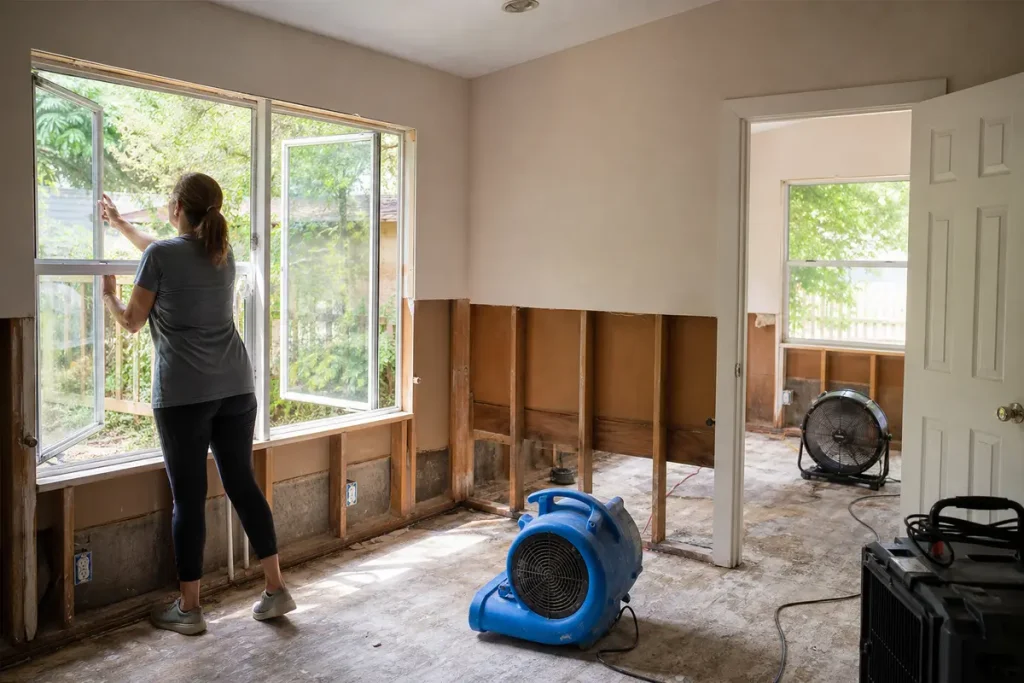
Start with sewage removal by using a wet/dry vacuum to extract standing water, ensuring you dispose of waste properly.
After the bulk of the sewage is removed, scrub affected surfaces with a mixture of water and disinfectant to kill harmful pathogens.
Don’t forget to dehumidify the area to prevent mold growth.
Finally, inspect your property for any damage and consider professional help if the extent of the backup exceeds your capabilities.
These steps not only safeguard your health but also preserve your home’s integrity.
Containing the Sewage Backup
When a sewage backup occurs, quickly containing the situation is essential to prevent further damage and health risks. To effectively manage the crisis, implement sewage containment methods immediately. Use barriers or absorbent materials to limit the spread of sewage.
If possible, stop the source of the backup by shutting off any water supply or diverting flow.
Having a well-structured emergency response plan is vital. Confirm that your plan includes specific steps for containing sewage, such as identifying key personnel responsible for containment and securing the area.
Communicate clearly with everyone involved to maintain safety and efficiency.
Proper Cleanup Techniques
After containing the sewage backup, the next step involves implementing effective cleanup techniques to restore the area safely and thoroughly.
Begin by removing any standing water using a pump, making sure you follow safety protocols. Once the water is cleared, focus on sewage removal. Use specialized cleanup products designed to break down organic material and neutralize odors.
Next, remove contaminated materials, such as carpets or drywall, that can harbor bacteria. It’s essential to wear protective gear, including gloves and masks, to safeguard yourself from harmful pathogens.
After removing debris, scrub surfaces with an appropriate cleaner to eliminate any lingering contaminants.
Finally, allow the area to dry completely to prevent mold growth. This thorough approach not only guarantees a clean environment but also fosters a sense of belonging and safety in your home.
Disinfecting and Sanitizing Affected Areas
Once you’ve removed contaminated materials and cleaned the affected area, disinfecting and sanitizing surfaces is essential to ensuring safety and preventing health risks.
It’s vital to eliminate harmful pathogens that may linger, so follow these steps for effective disinfection:
- Use EPA-approved disinfectants specifically designed for sewage cleanup.
- Thoroughly apply the disinfectant to all surfaces, ensuring even coverage.
- Allow the disinfectant to sit for the recommended contact time for maximum effectiveness.
- Sanitize tools used during the cleanup to prevent cross-contamination.
- Rinse surfaces with clean water after disinfecting, if recommended by the product instructions.
Preventing Future Sewage Backups
To effectively prevent future sewage backups, it’s crucial to understand the underlying causes and implement proactive measures.
Start with regular maintenance of your plumbing system. Schedule inspections to identify blockages or wear and tear in pipes before they escalate into major issues. Consider investing in professional drain cleaning services to keep your drainage solutions effective and clear.
Additionally, be mindful of what you flush down toilets and pour down sinks. Avoid disposing of grease, food scraps, or non-biodegradable materials, as these can quickly lead to clogs.
Installing backflow prevention devices can also be a smart move, protecting your home from potential sewage intrusion.
Finally, maintaining your yard’s grading will make certain that rainwater drains away from your foundation, reducing the risk of backups.
Sewage backup exposure poses significant health hazards, including bacterial infections and respiratory issues. You face increased exposure risks, particularly if you come into contact with contaminated surfaces or water. Always prioritize safety and seek professional help.
To identify sewage backup sources, inspect plumbing for clogs and leaks. Surprisingly, 75% of backups stem from neglected maintenance. Regular plumbing maintenance and proactive sewage backup prevention can save you from costly repairs and health risks.
It isn’t safe to use standard household cleaning products for sewage cleanup. Their chemical properties may not eliminate harmful pathogens present. Instead, opt for specialized cleaning solutions designed for sewage backup to guarantee safety and effectiveness.
The sewage cleanup process typically takes between a few hours to several days, depending on cleanup factors like the extent of contamination and your response time. Establishing a cleanup timeline is essential for effective recovery.
Yes, you should contact your insurance for sewage backup damage. Surprisingly, about 60% of homeowners have insurance coverage for such incidents. Initiating the claim process promptly can help you recover costs effectively and efficiently.
Conclusion
In tackling sewage backups, swift and informed action is essential. As the saying goes, "An ounce of prevention is worth a pound of cure." By implementing effective cleanup strategies and maintaining regular plumbing inspections, you can greatly reduce the risk of future incidents. Always prioritize safety and thoroughness during the cleanup process. Remember, clear communication and documentation not only aid in recovery but also empower you to better manage potential challenges down the road.

Read Our Reviews